
EDNC 2025
“Belonging: Be In. Be Loved. Be Blessed”
The fourth National Conference of Engage Disability was a heart-warming occasion to make new connections, share stories, and learn from one another —expressing that belonging is lived out when we listen to one another’s journeys. With an inclusive music team leading singing and praise each day, reflective devotions, inspiring keynotes, thought-provoking panels and breakout sessions, and stalls showcasing disability work from across the network, the EDNC25 was a rich experience attesting to a glimpse of what an inclusive place of belonging could be. The EDNC25 was held from 12–14 November 2025 at St. John’s Medical College, Koramangala, Bangalore.
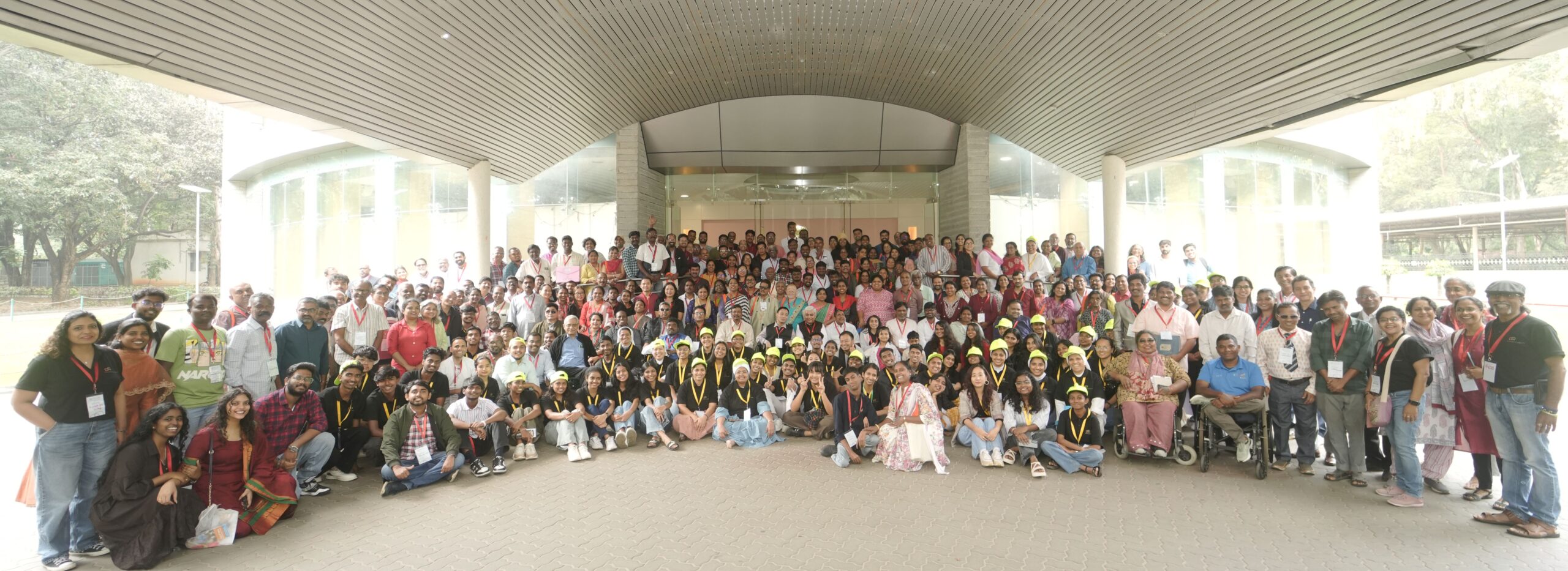
The gathering brought together a diverse group of individuals — persons living with disabilities, caregivers, and those working in clinical, pastoral, academic, or policy spaces shaping disability inclusion in India. The conference also saw participation from major healthcare institutions, including the Catholic Health Association of India (CHAI), Christian Medical College (CMC) Vellore, St. John’s Medical College, and Emmanuel Hospital Association, as well as church bodies such as the National Council of Churches in India (NCCI), Catholic Bishops’ Conference of India (CBCI), Church of South India (CSI), and United Evangelical Lutheran Churches in India (UELCI). A number of disability-focused NGOs were also represented.
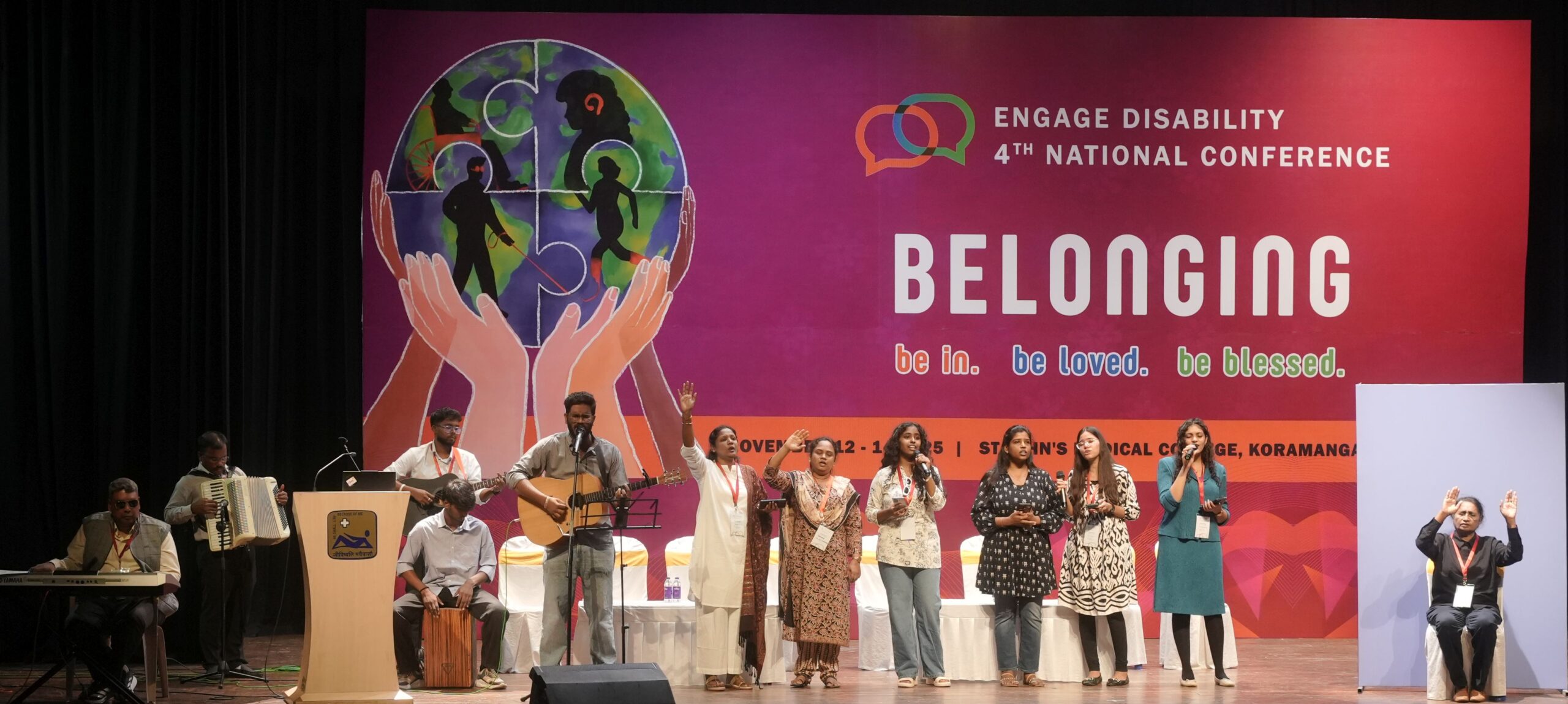
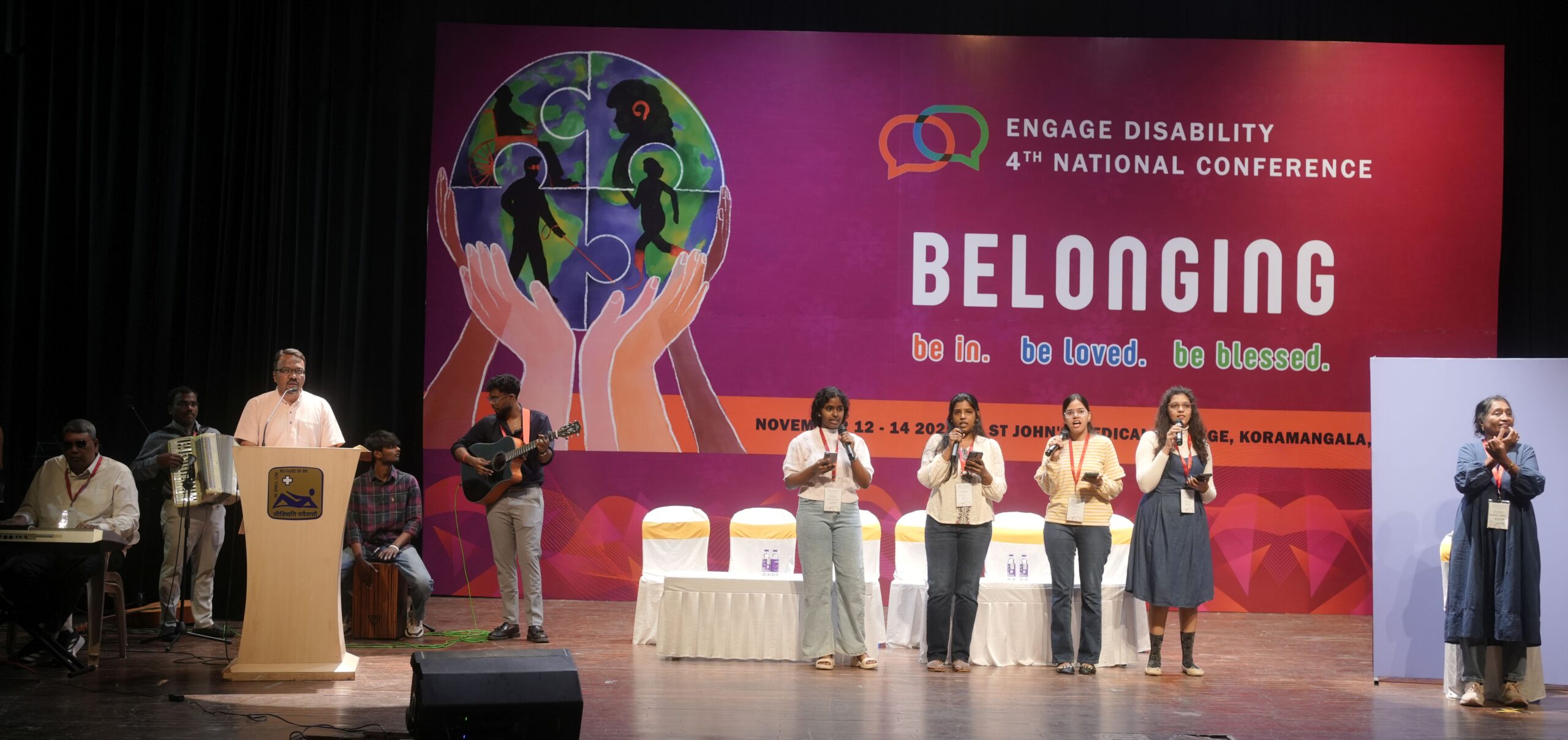
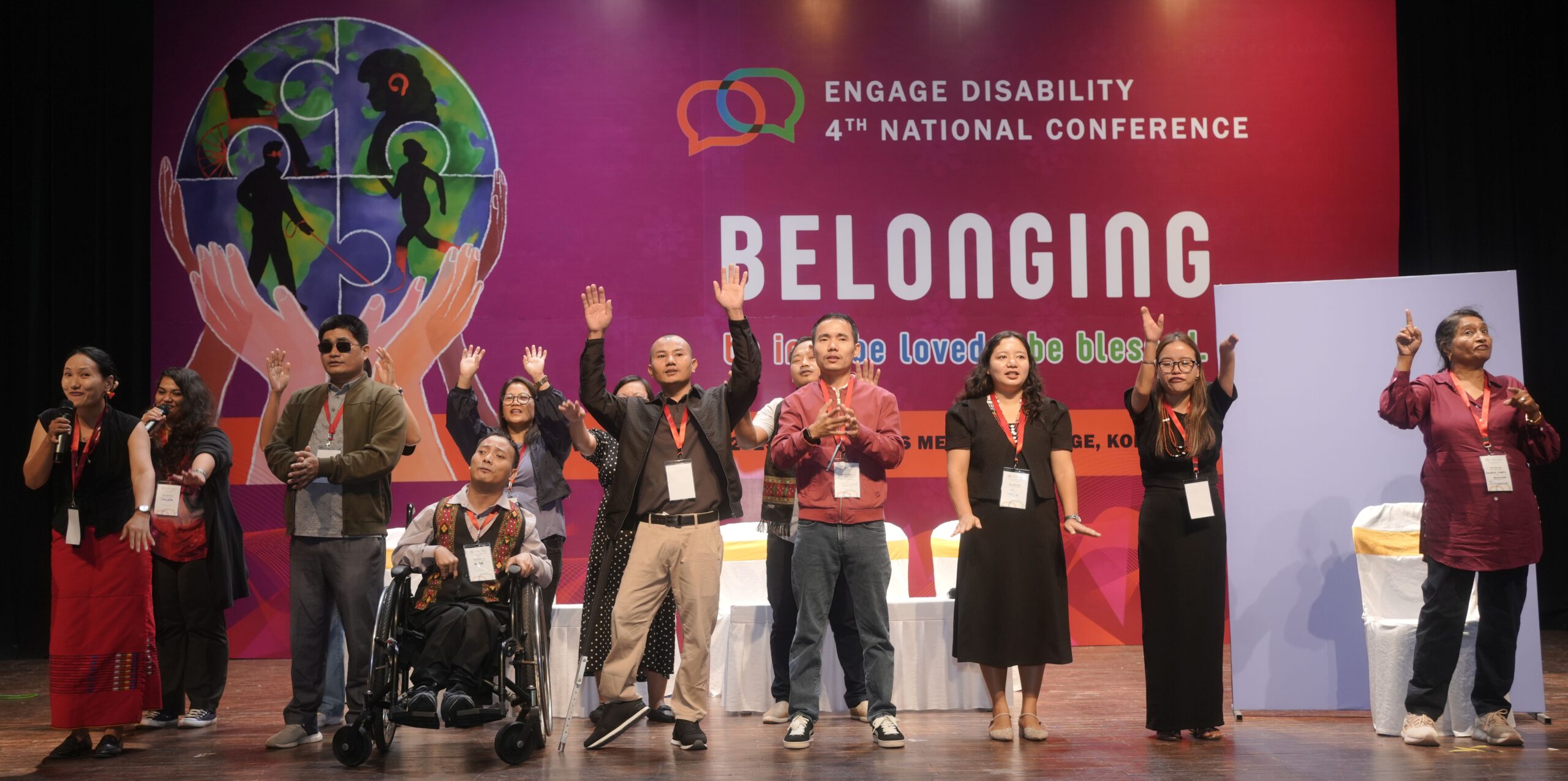
The three-day conference explored the theme as a phased journey, with each day focusing on one core element: Be In, Be Loved, and Be Blessed. This progression reflected a movement from belonging, into love, and finally toward becoming a blessing within and beyond faith communities. The event was notable for its intentionally inclusive design — from the accessibility of the venue to the consistent use of sign language interpretation throughout the sessions.
Day 01: Be In
Day One centred on the theme “Be In” (Belonging). Keynote speakers and presenters explored theological and practical dimensions of inclusion, emphasising the importance of creating communities where persons with disabilities genuinely feel they belong.
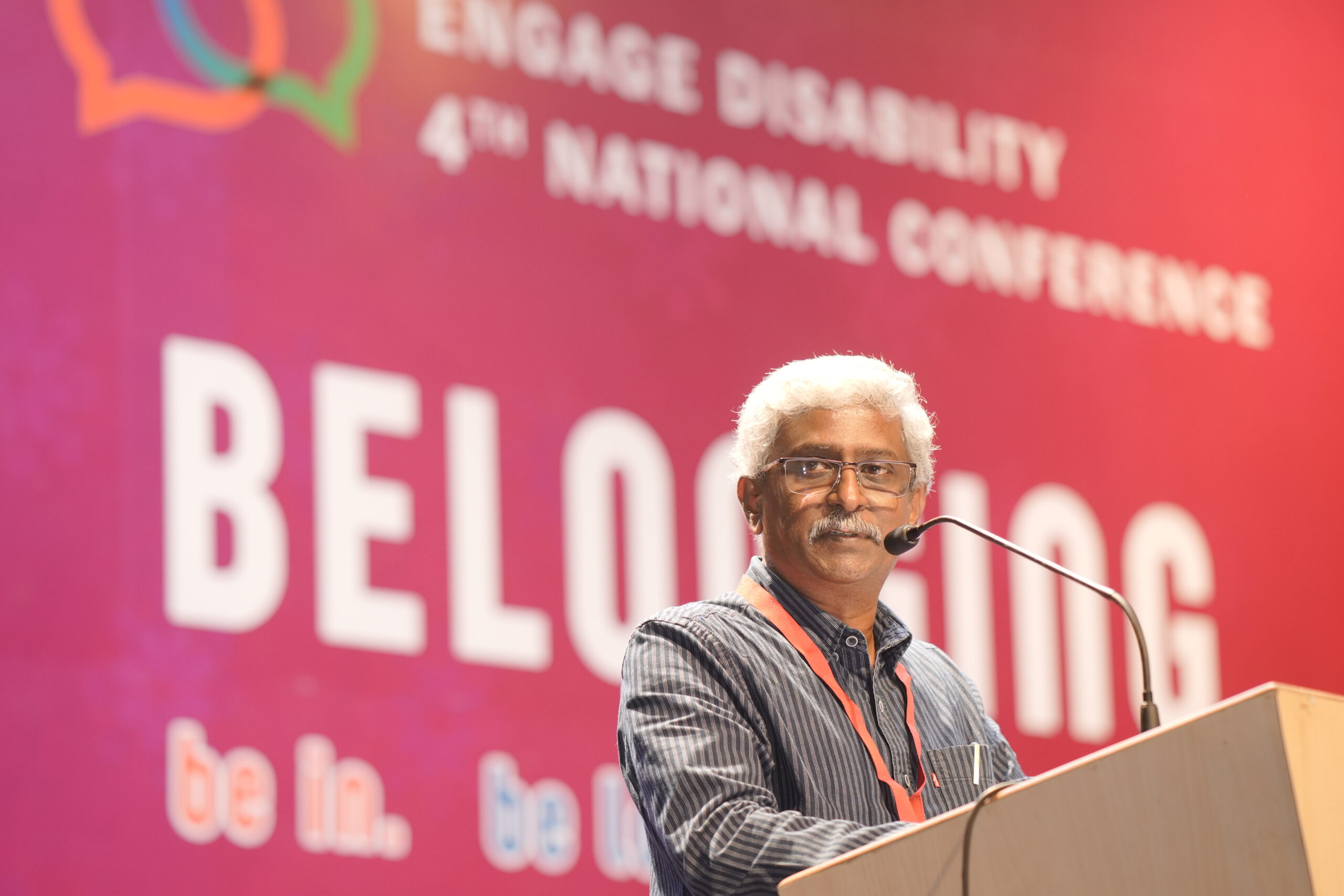
The inaugural address by George Abraham set the tone, emphasising that belonging is central to disability inclusion. Drawing from Scripture, life stories, and testimony, he reminded participants that every person is created with purpose and is indispensable to the wider faith community. His message highlighted that belonging is more than being welcomed; it is being seen, loved, and included as an equal participant in the life of the faith community. He explained that “helping you” and “being with you” are two different things; belonging means being in and being part of the faith community. Quoting John 3:16 and Jesus’ commandment to love God and love one another, he stated that the Church is a community defined by love, and love enables acceptance. Belonging is impossible without love.
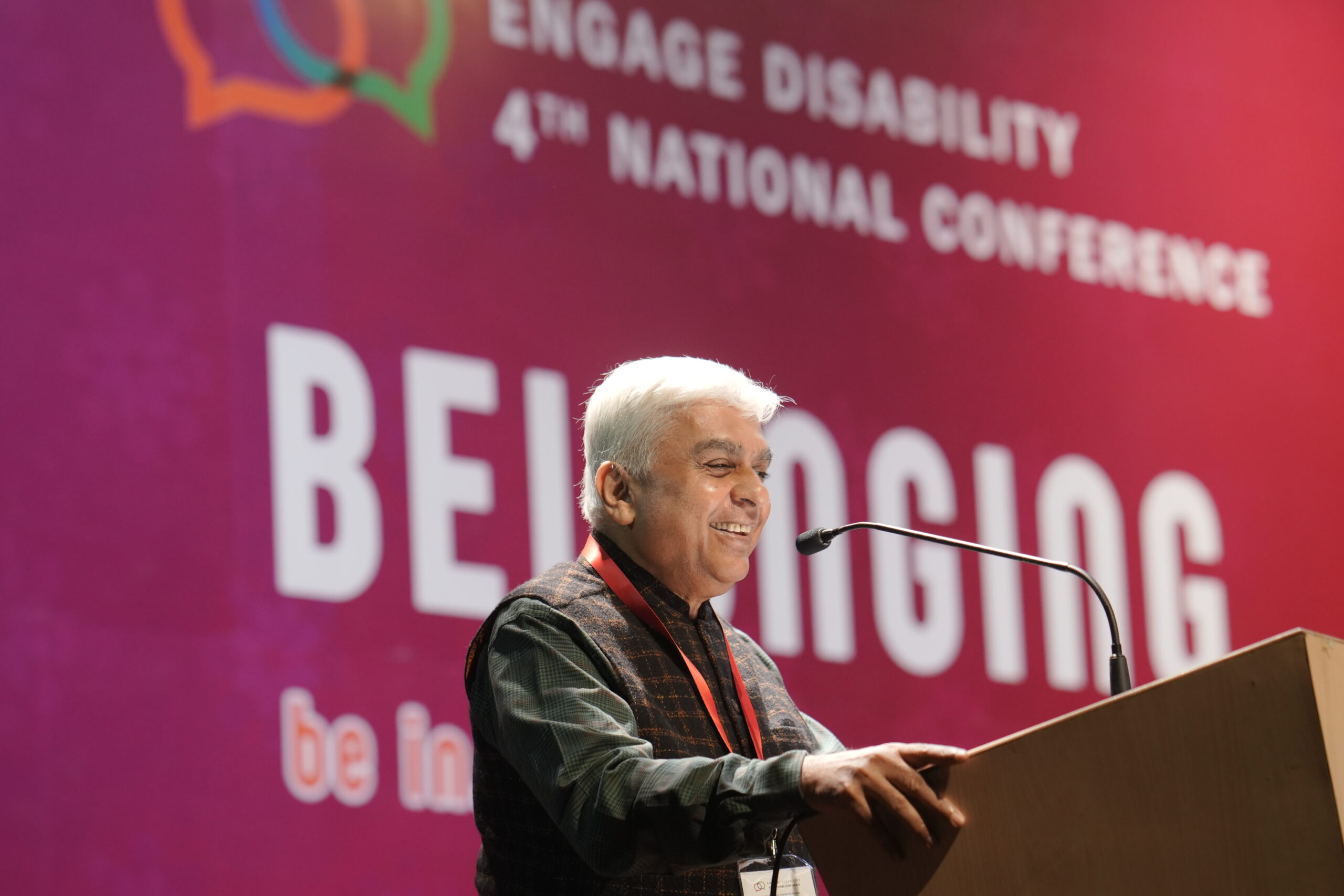
He further reiterated that the very presence of persons with disabilities in the Church brings hope, motivation, and encouragement. Inclusion is not merely about being welcomed — it is about participating actively. Without the participation of those perceived as “weaker,” he noted, the faith community itself becomes impaired/disabled. Persons with disabilities, he affirmed, are indispensable to the life of the faith community, and their presence blesses countless people.
Faith and institutional leaders, including representatives from St. John’s Medical College, NCCI, UELCI, and CBCI, reinforced this theme. They affirmed that disability inclusion is not merely a programme but a call to transformation — moving from awareness to action, and from tolerance to celebration.
As a church leader responding to the thematic inaugural address, Rev. Dr Joshua Peter, Executive Secretary of UELCI, offered a significant moment of reflection as he apologised on behalf of faith communities for failing to “stand in the gap” — for not including and not affirming persons with disabilities. Peter stated that the Church is called to heal humanity, and when it fails to do so, it becomes disabled. He emphasized that the Christian faith also recognises that God embraced limitation: when we look at the Son of God—Jesus—we see vulnerability.
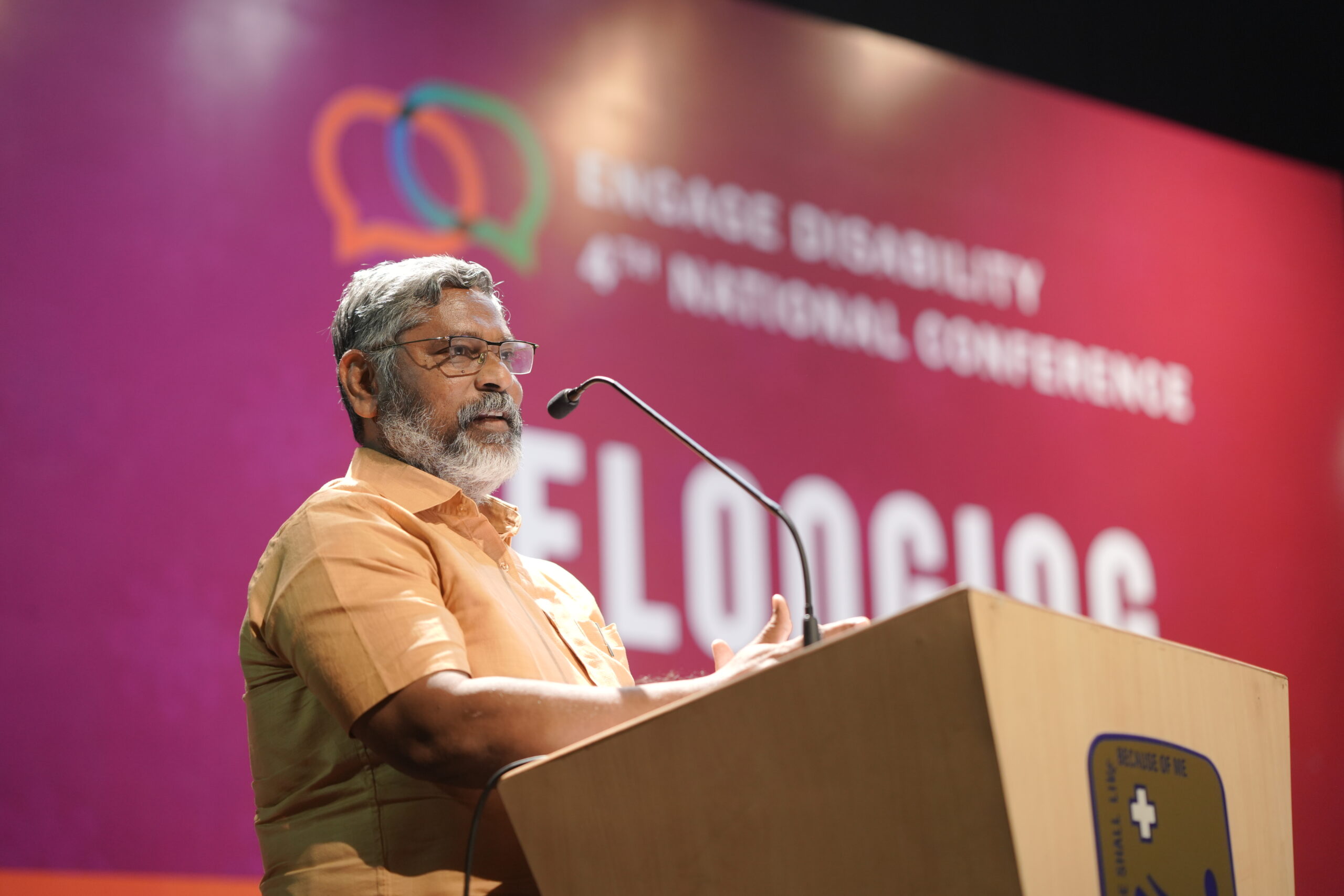
He reflected on the biblical account of Jesus’ triumphal entry into the temple, where persons with disabilities were welcomed while those considered ‘abled’ were driven out, symbolising a reversal of social hierarchy. He concluded that the Church will be whole only through inclusion.
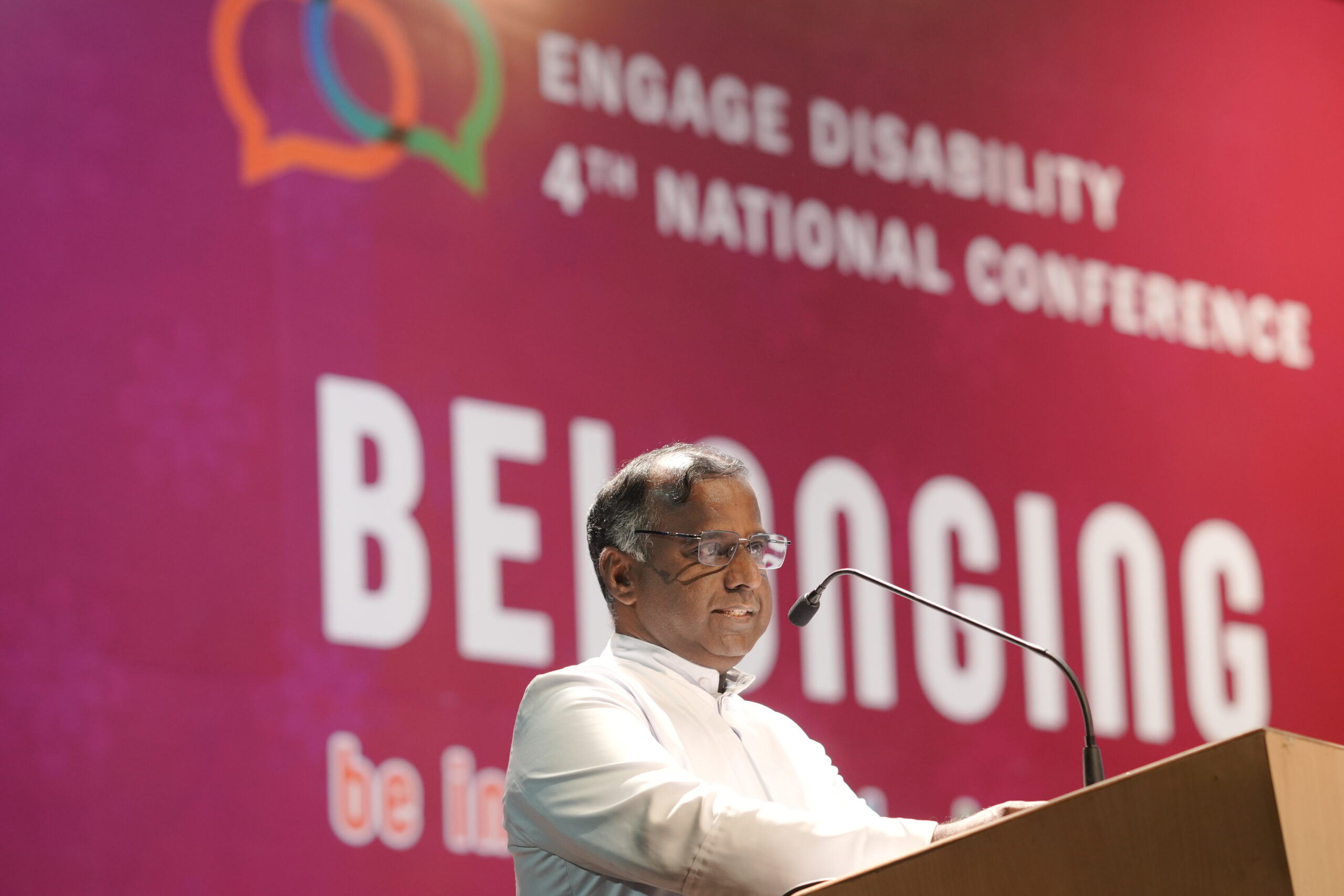
Speaking in response to the inaugural address on the theme, Fr Jesudoss Rajamanickam, Director of St John’s Medical College remarked that inclusion cannot be selective. We must transition from disability to possibility, from tolerating differences to celebrating differences. He added that the conference was not merely a dialogue, but a commitment; not just awareness, but transformation. He reflected that the theme of the conference represents the very message of the gospel itself: belongingness. Rajamanickam concluded by stating that the measure of faith is not belief alone, but belonging, and that inclusion must become a culture and a mandate for all of us.
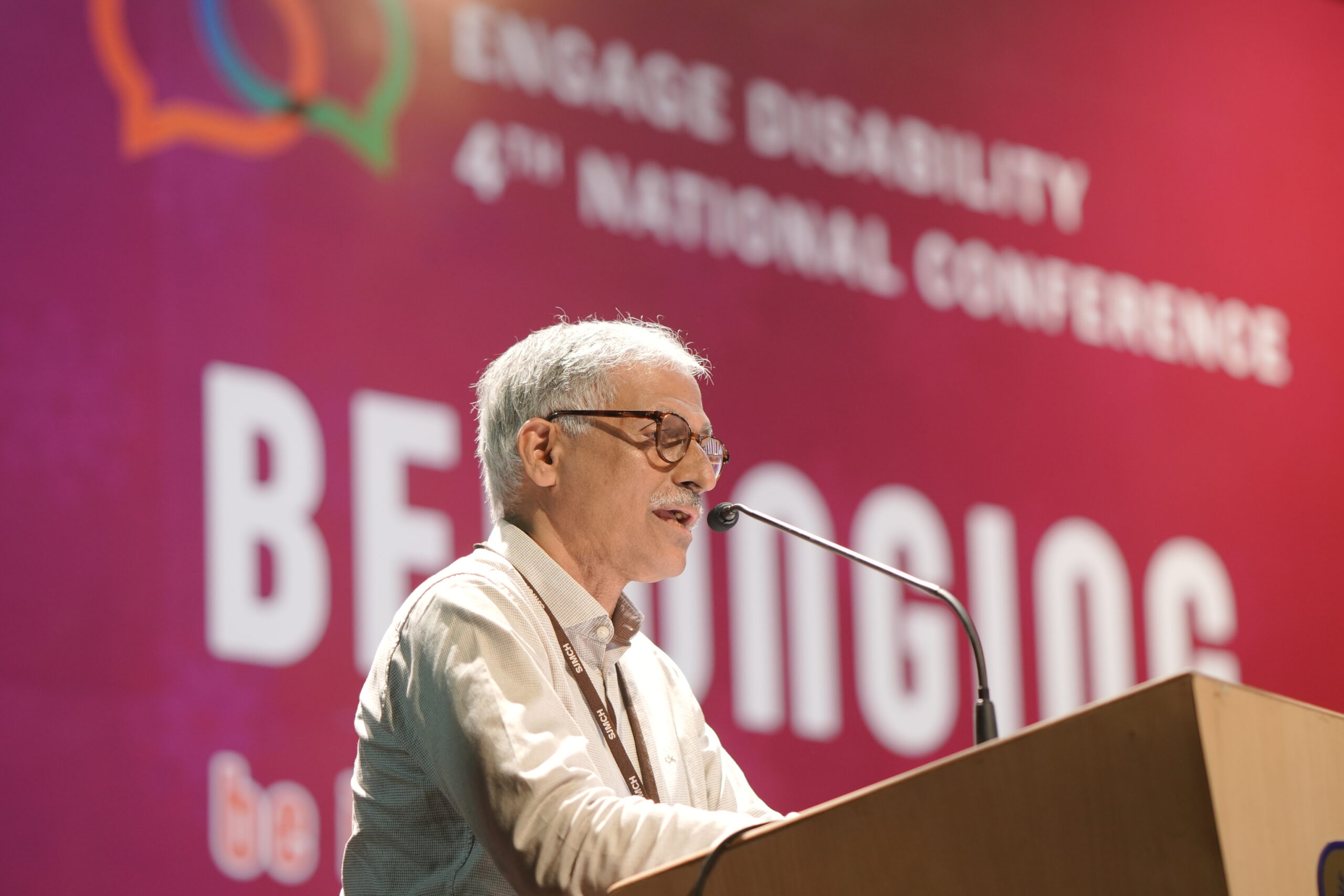
Continuing the responses to the inaugural address, Dr. George D’Souza, a pulmonologist and the Dean of St. John’s Medical College, began his address by quoting the scripture, “I am fearfully and wonderfully made.” He described the conference as a paradigm shift—a movement toward belonging and embracing disability. D’Souza emphasized that this conference stands as a declaration that disability is a source of strength, not a matter of charity.
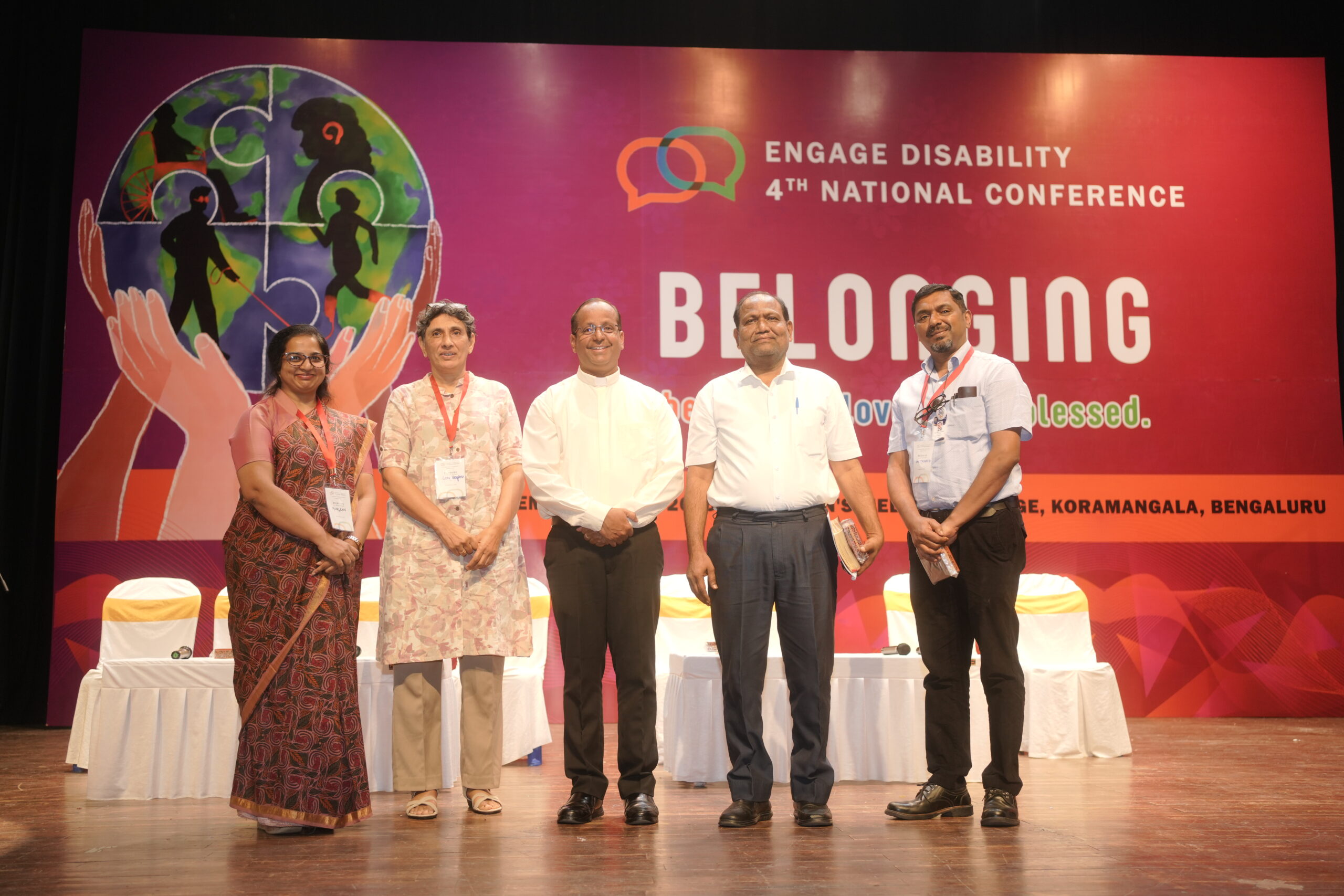
Chaired by Dr Binu T. Kurian, Head of Unit of Hope, St Johns, the session on key leaders of Christian organisations responding to the inaugural thematic address also shared ongoing work across faith networks in health care, theology, education, and community-based rehabilitation.
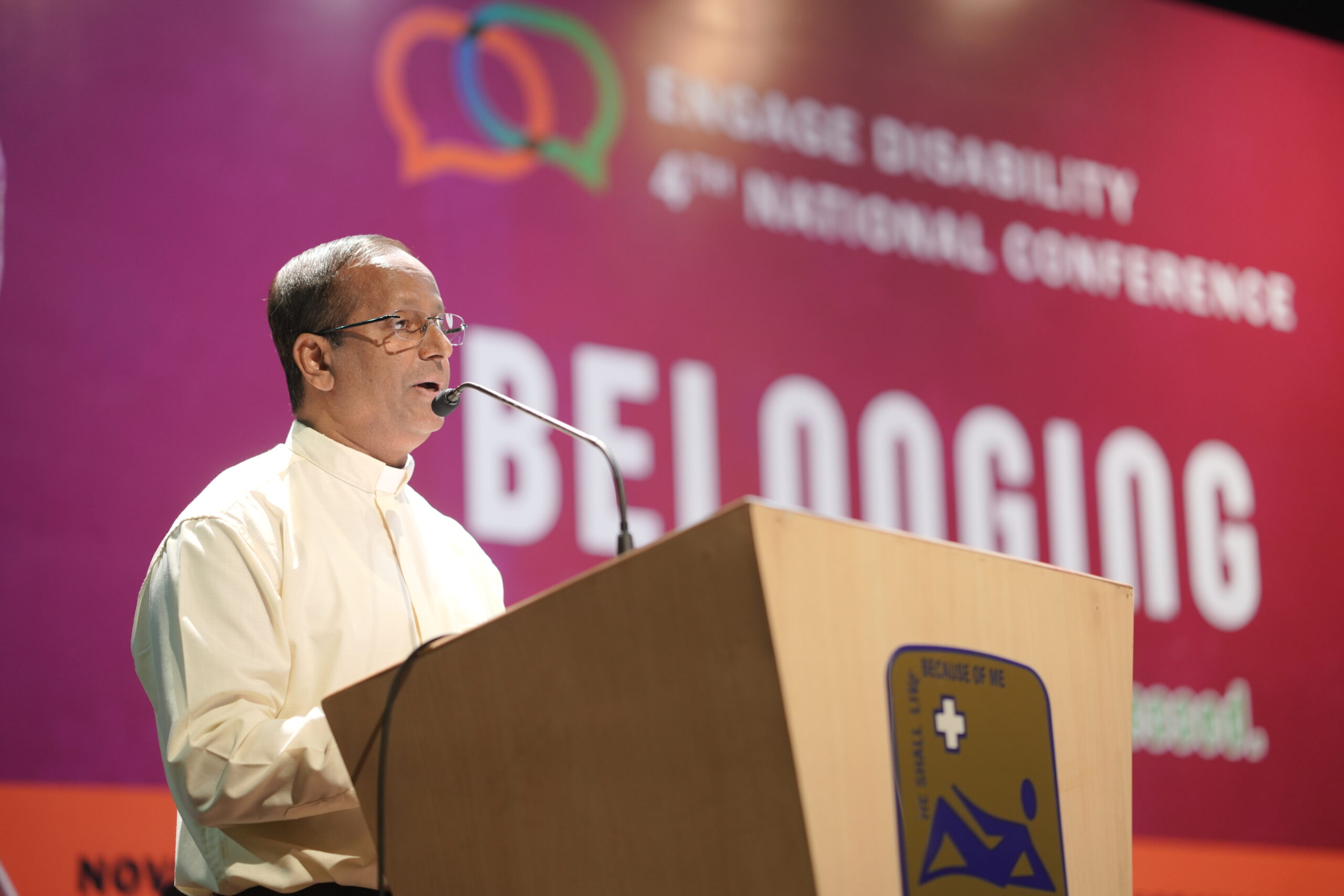
Fr Santhosh Diaz, Health Secretary, CBCI, remarked that the call to deeper love and communion is a call to holiness. He referred to Pope Francis, who has repeatedly affirmed that any society that does not recognise and include persons with disabilities becomes impoverished. Building on this, Fr. Santhosh shared the ongoing work of the CBCI, and more broadly, the contributions of Christian institutions in serving people with disabilities.
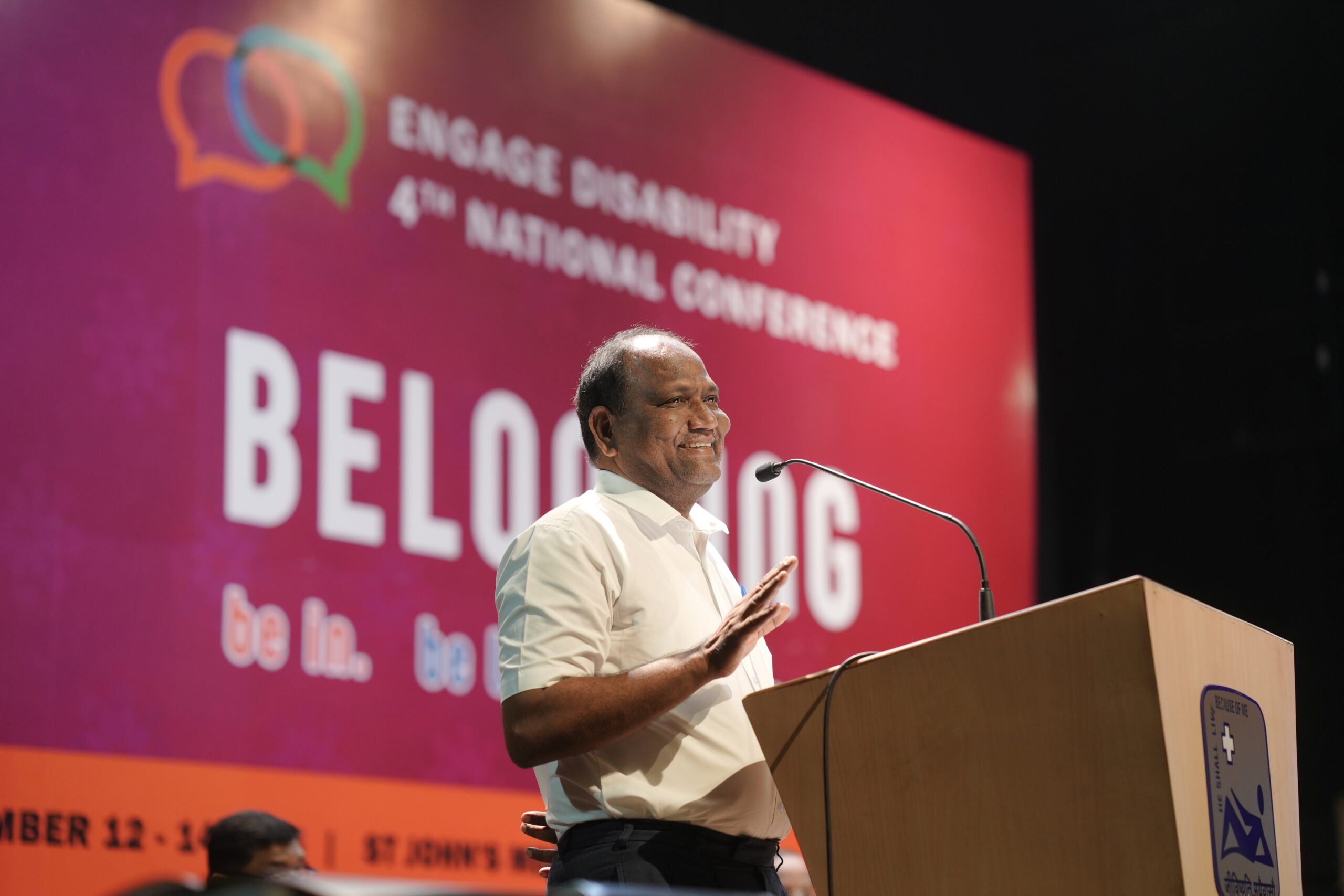
Dr Das Suryavanshi, State Disability commissioner, Karnataka, shared how his personal experiences shaped his understanding of disability, and emphasised that working in the field of disability is not merely a job, but a calling. Referring to Jesus’ parable in which people with disabilities are invited to the banquet, he noted that this narrative stands as a command for the Church today.
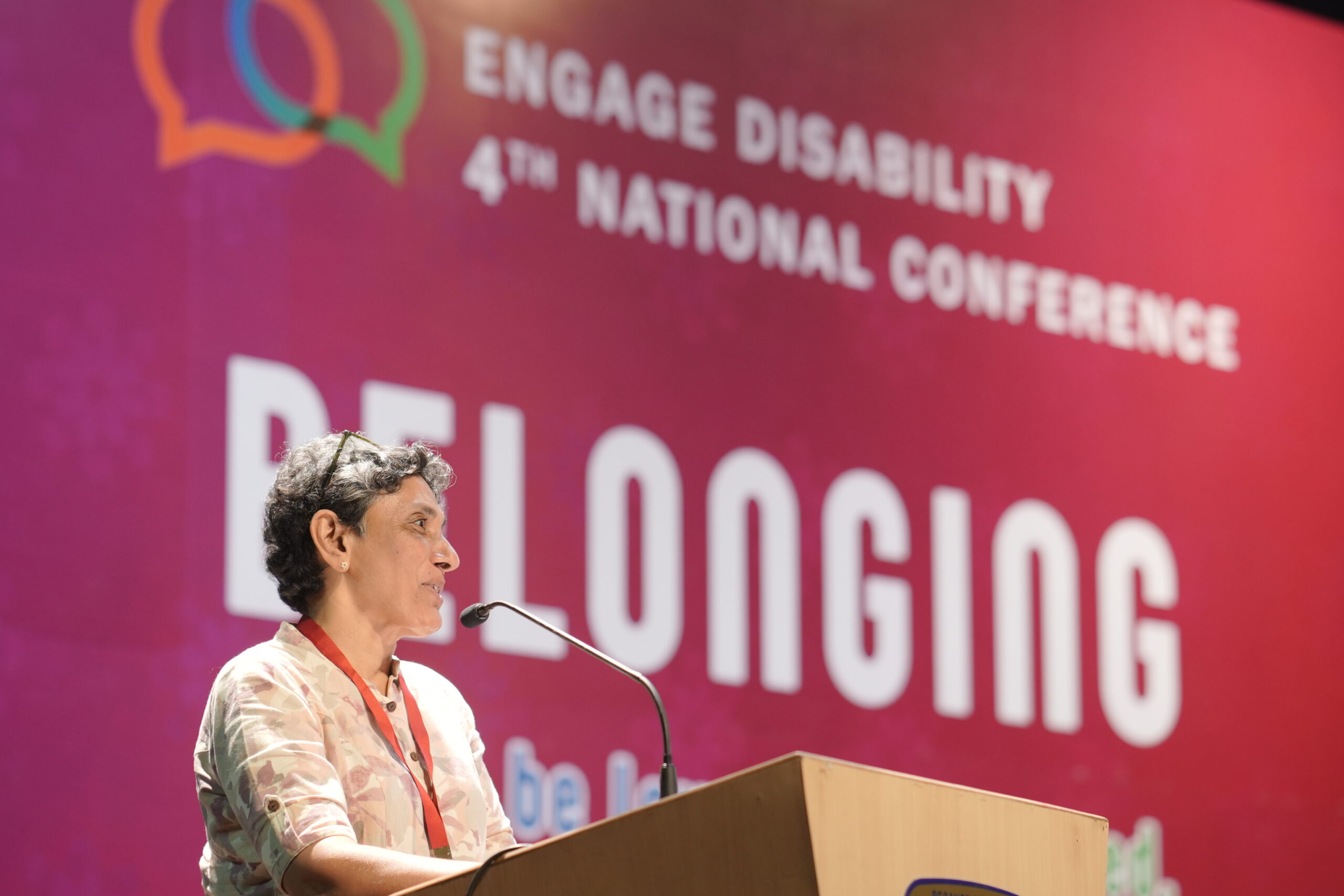
Dr Sara Varghese, Managing Trustee, Christian Blind Mission (CBM) India Trust, reflected on the significant role the Church has played in disability care and services, noting that Christian organisations have historically been at the forefront of this work. She stated that the challenge before the conference is to consider how to move beyond what is already being done, apart from running institutions and service programmes for persons with disabilities.
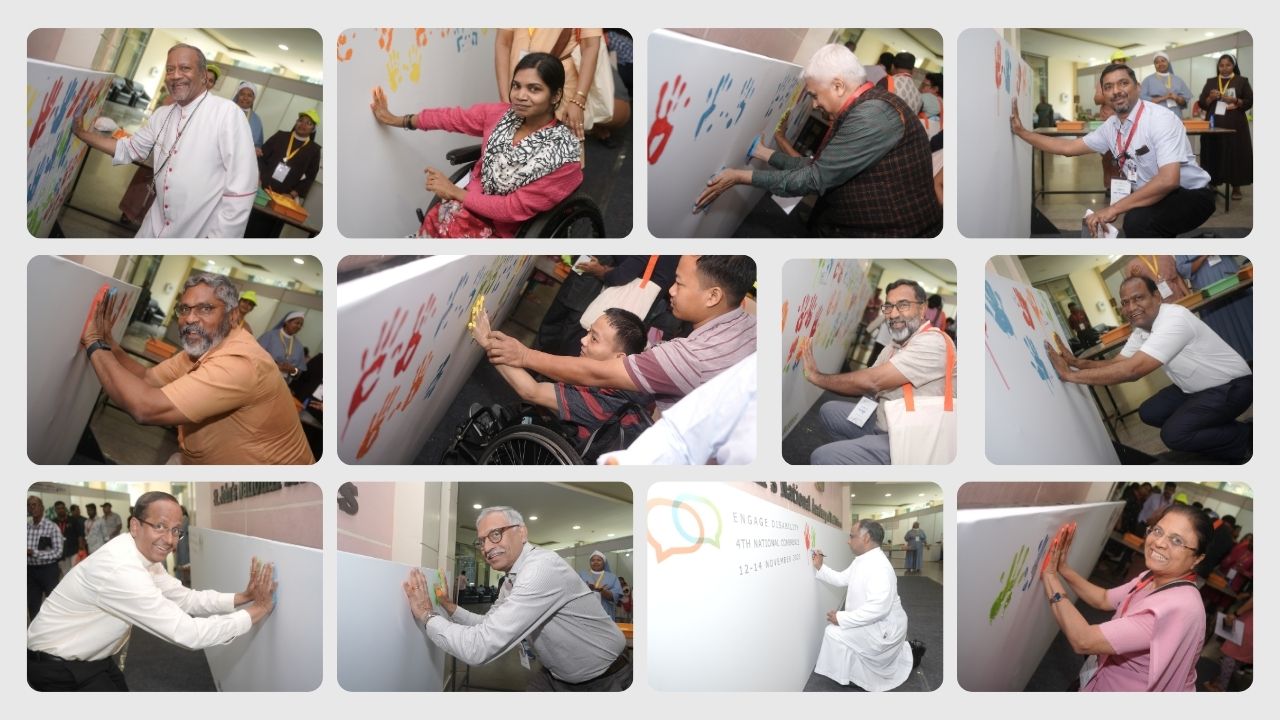
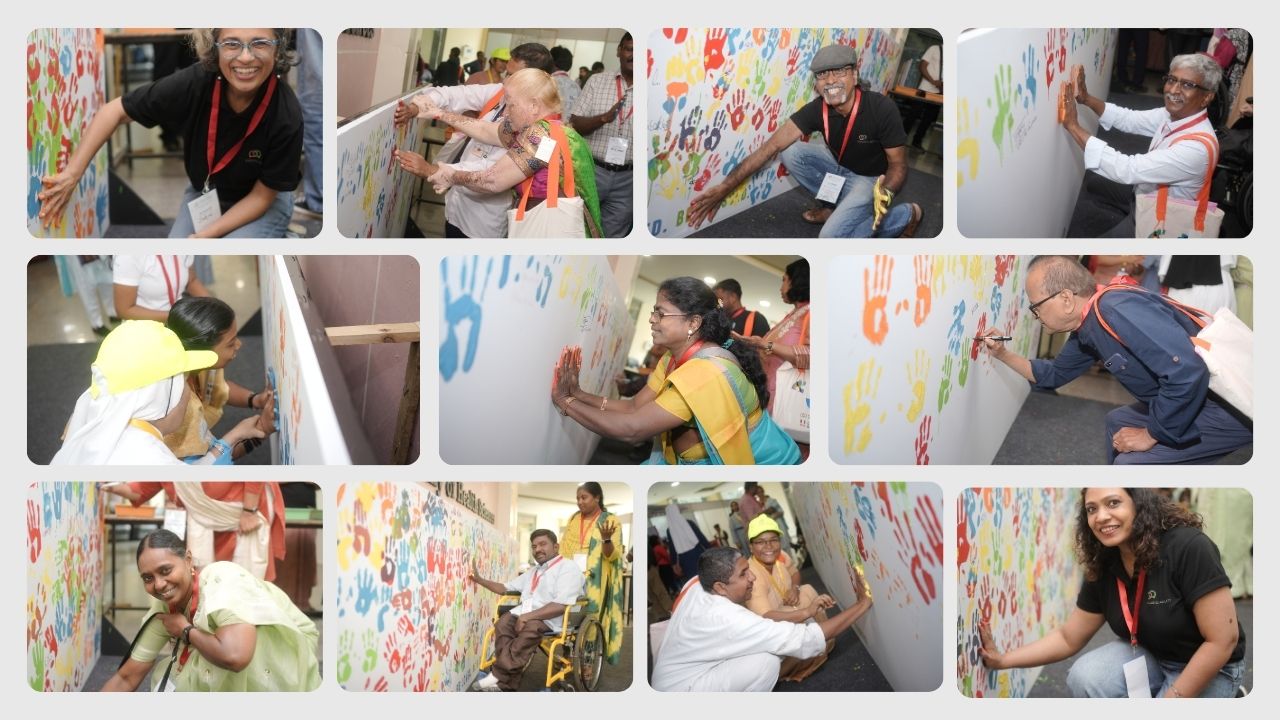
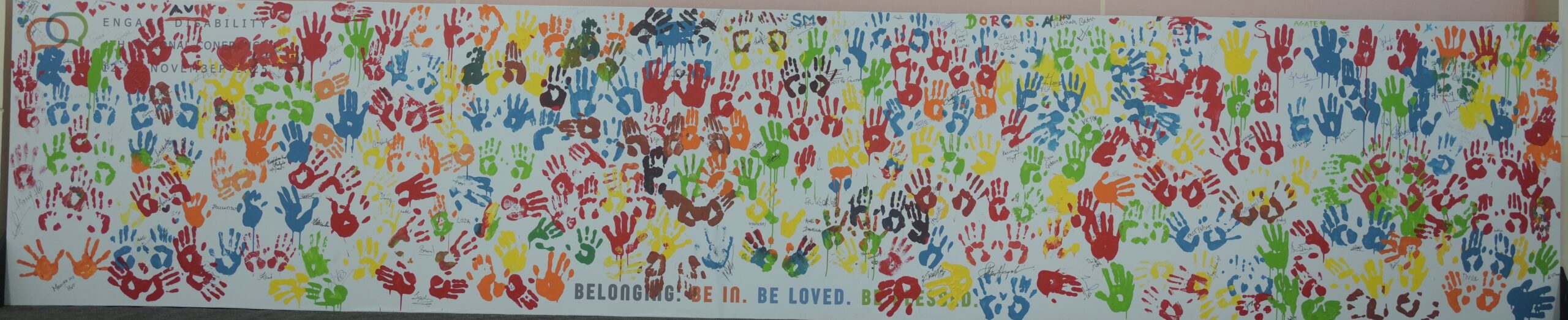
At the end of the inaugural session, a symbolic handprint activity invited dignitaries and participants to publicly affirm their commitment to inclusion by placing their handprints on a designated canvas as a visible gesture of solidarity with persons with disabilities, and as a commitment to promoting inclusion.
The two keynotes in the afternoon session deepened the theological exploration of belonging. As chair of the session, Ms. Avitha Daniel opened by stating that “being in” does not merely refer to physical inclusion, but encompasses being valued, visible, and recognised.
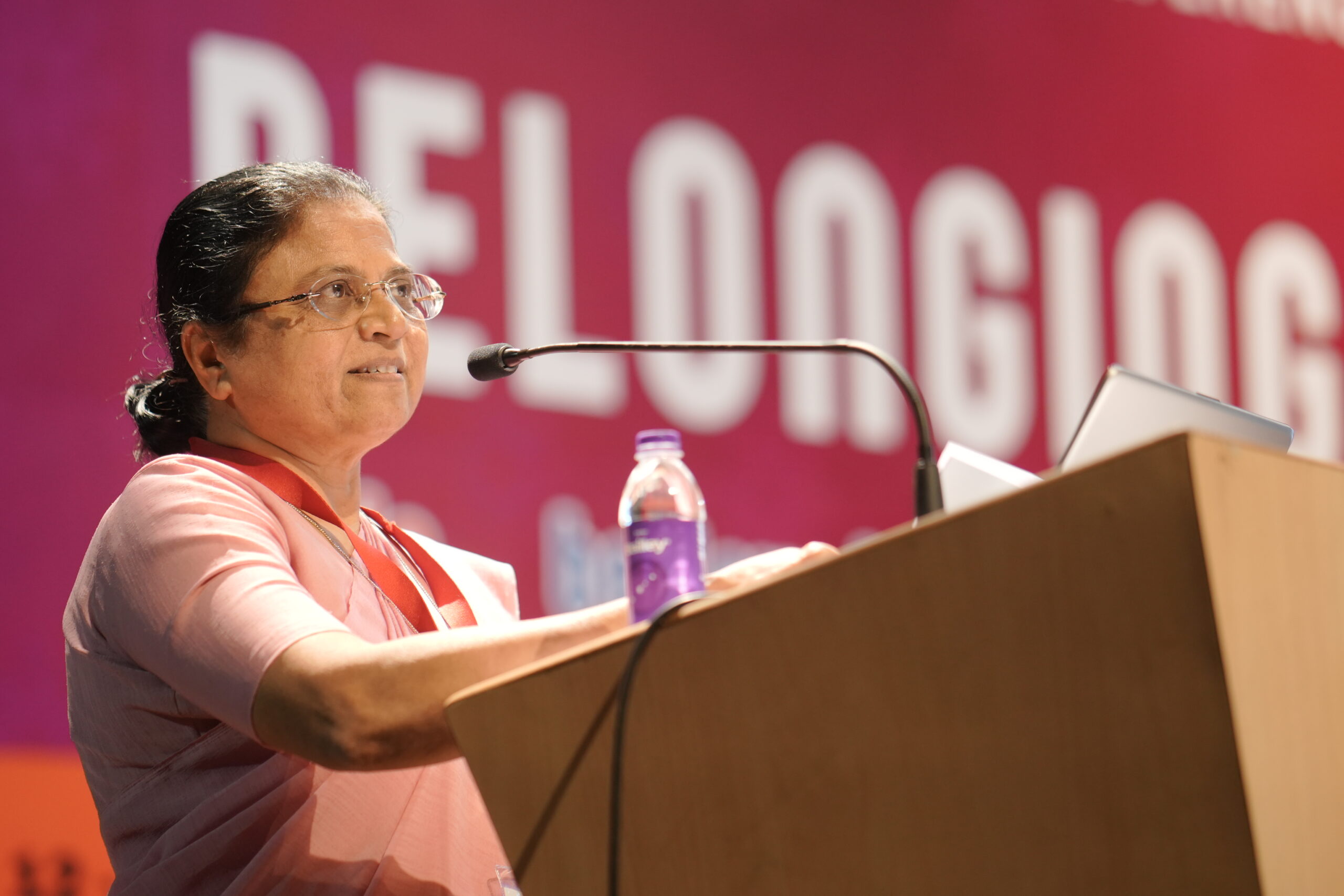
Sis. Dr Helen Mary, Director General of CHAI, spoke on loving one’s neighbour with dignity and presence, rather than charity or pity — reminding the faith communities that love is at the heart of inclusion. Disability, she noted, is often created by barriers; and those barriers are removed with meaningful effort. Mary also highlighted that love is not always about doing something—it is often about being present, open, and available to others in their time of need, with a hospitable heart.
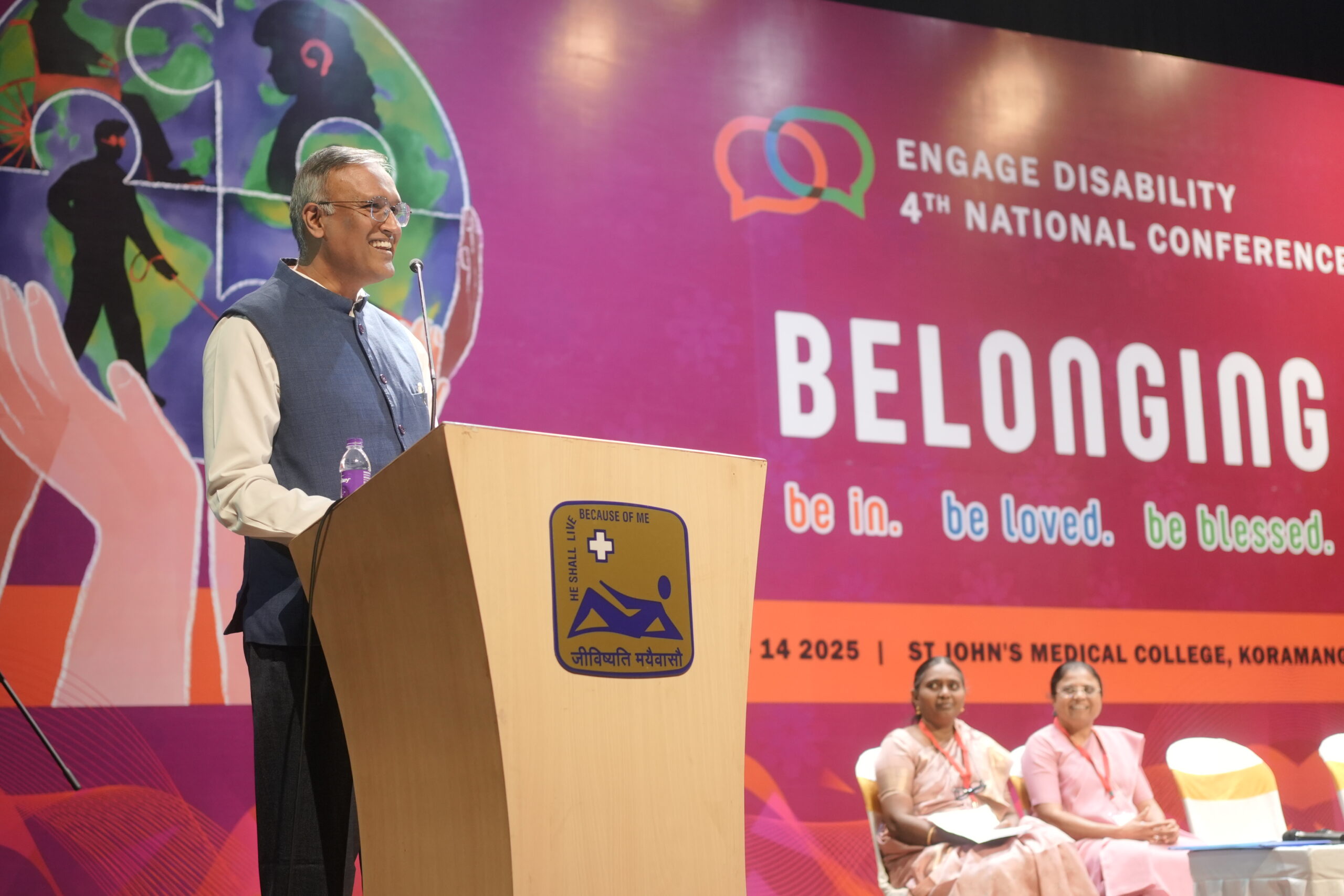
Dr Roji T. George, Specialization Head for New Testament, South Asia Institute for Advanced Christian Studies (SAIACS), reflected on identity, naming, and how Scripture challenges cultural assumptions that equate disability with lack or sin. He noted that in the New Testament Bartimaeus is the only person with a disability addressed by name; others are referred to by their condition, such as “the lame man” or “the blind man.” He reflected that we tend to see people through what they lack, whereas God sees each person as a vessel through whom he can work.
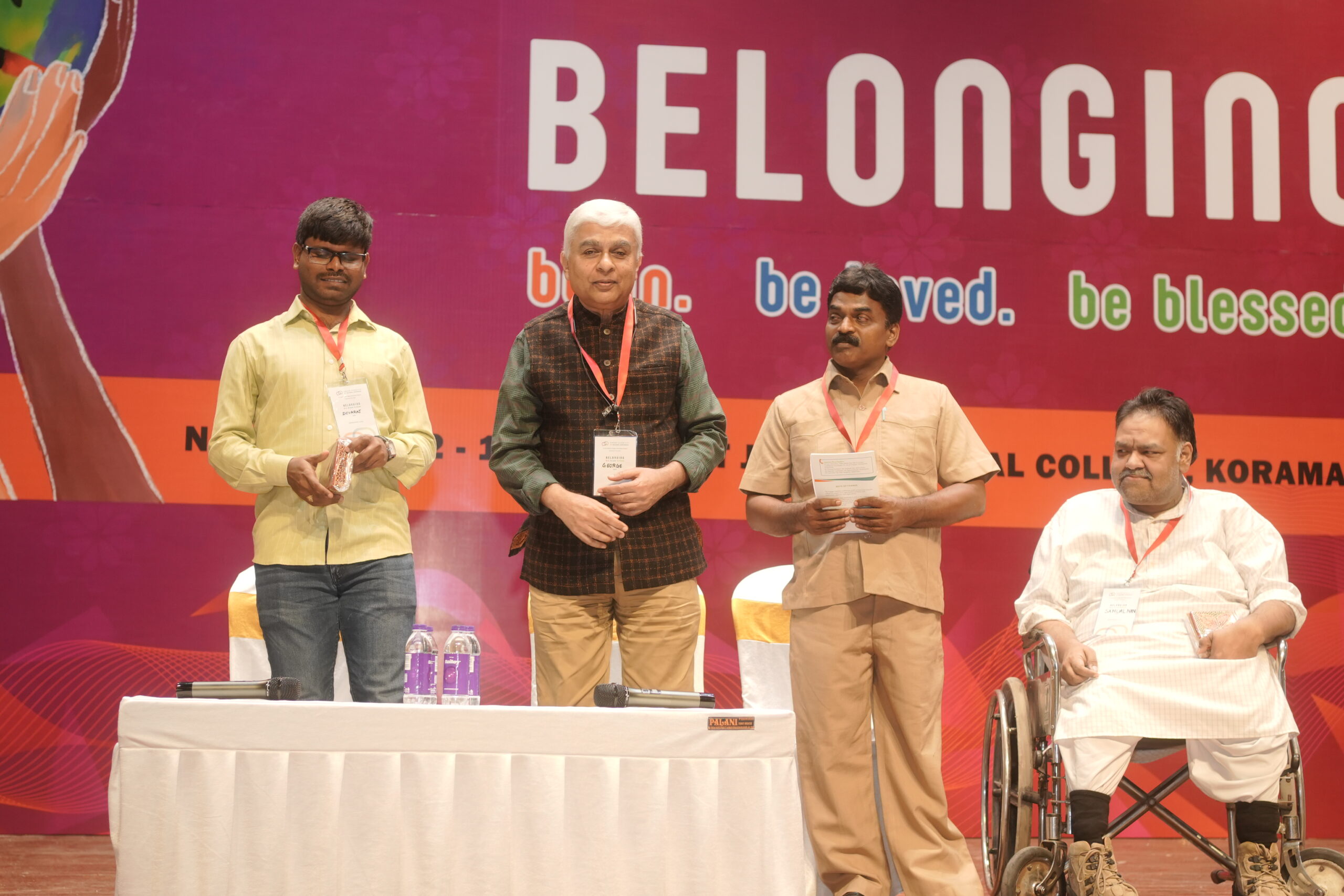
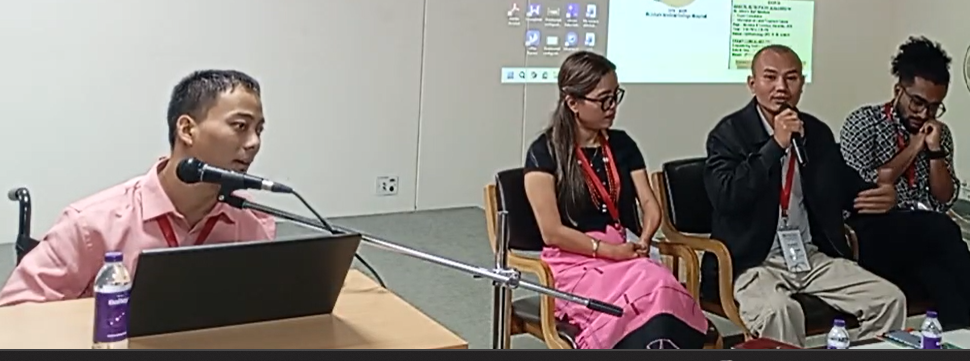
A panel of lived-experience voices shared personal stories of exclusion and inclusion within faith spaces and broader society — reminding participants that accessible spaces, intentional relationships, and meaningful leadership opportunities make belonging tangible. The panelists were Mr. Samuel Mani (JR) – an IT professional and person living with cerebral palsy, Rev. Azhagesan – an ordained pastor in the Indian Evangelical Lutheran Church (IELC) and a person with limited mobility, and Mr Devaraj – a research scholar at Jawahar Lal Nehru University and a person with low vision. Invited by the Chair Mr George Abraham to share personal experiences of inclusion and exclusion related to disability, the panelists narrated with courage, wit, humour and resilience their journey in navigating and overcoming exclusion to claim their rightful roles according to God’s purpose and calling. From Samuel being refused baptism for fear that he may drown, to Devaraj being accepted by his home church only after knowing his rich educational background, to Azhagesan realising through his theological education that disability did not define him – each of these testaments of exclusion showed the audience that exclusion was more the norm rather than exception. However, their testimonies were not all grim. They also shared heartening experiences of inclusion in their respective faith communities that went out of their routine to embrace and ensure inclusion.
Following the plenary sessions, four breakout discussions were held parallelly, exploring key themes related to disability and theology. These sessions brought together speakers from diverse fields — including theology, medicine, pastoral care, disability, and the development sector — who presented papers and facilitated meaningful conversation around each theme.
The topics, chairs and speakers were as follows:
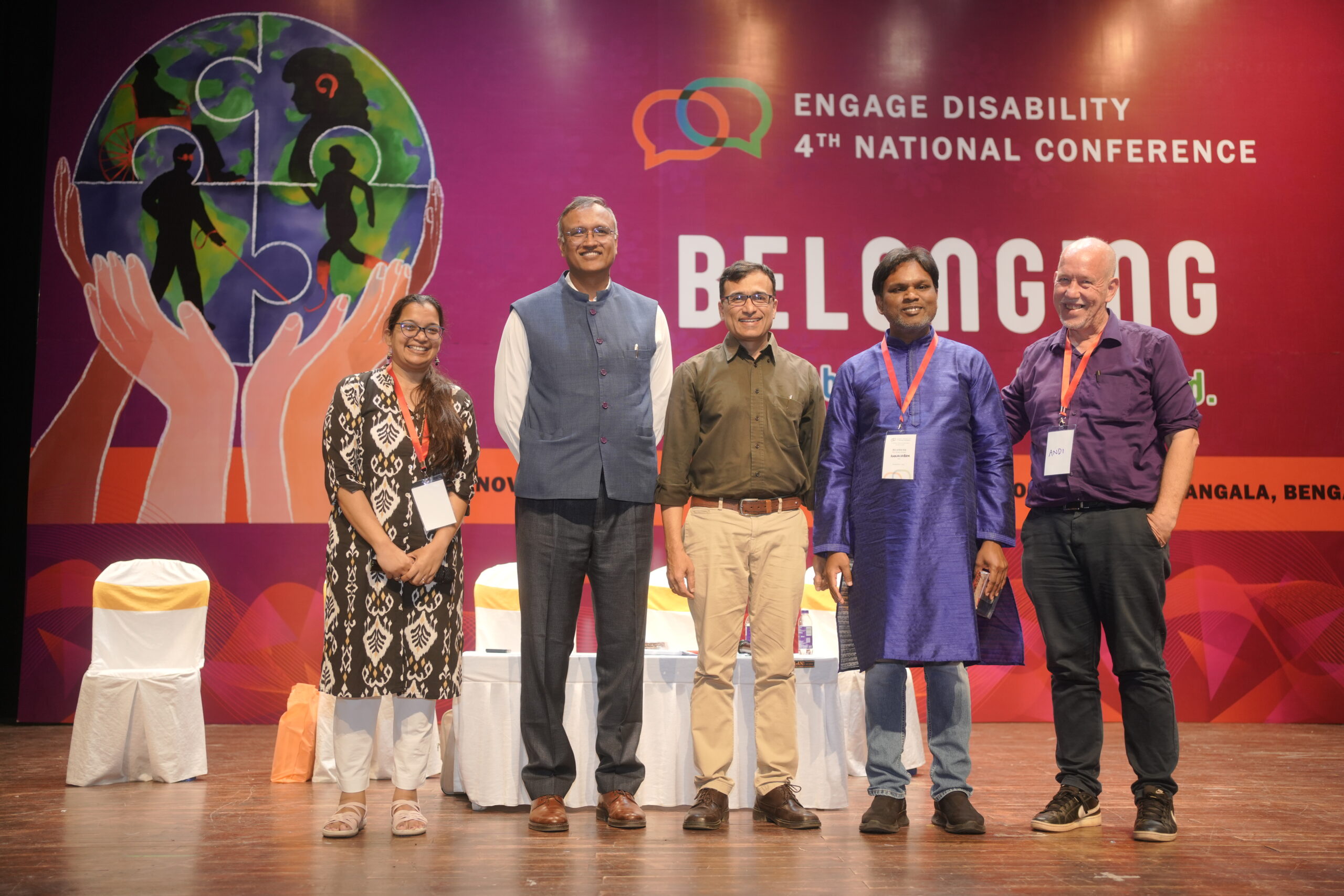
- Created in God’s Image: Disability and the Faith Mandate for Inclusion, chaired by Dr Shilpa Barry, and speakers were: Dr Roji T. George, Dr. Varughese John, Dr. Annavaram and Dr Andi Eicher
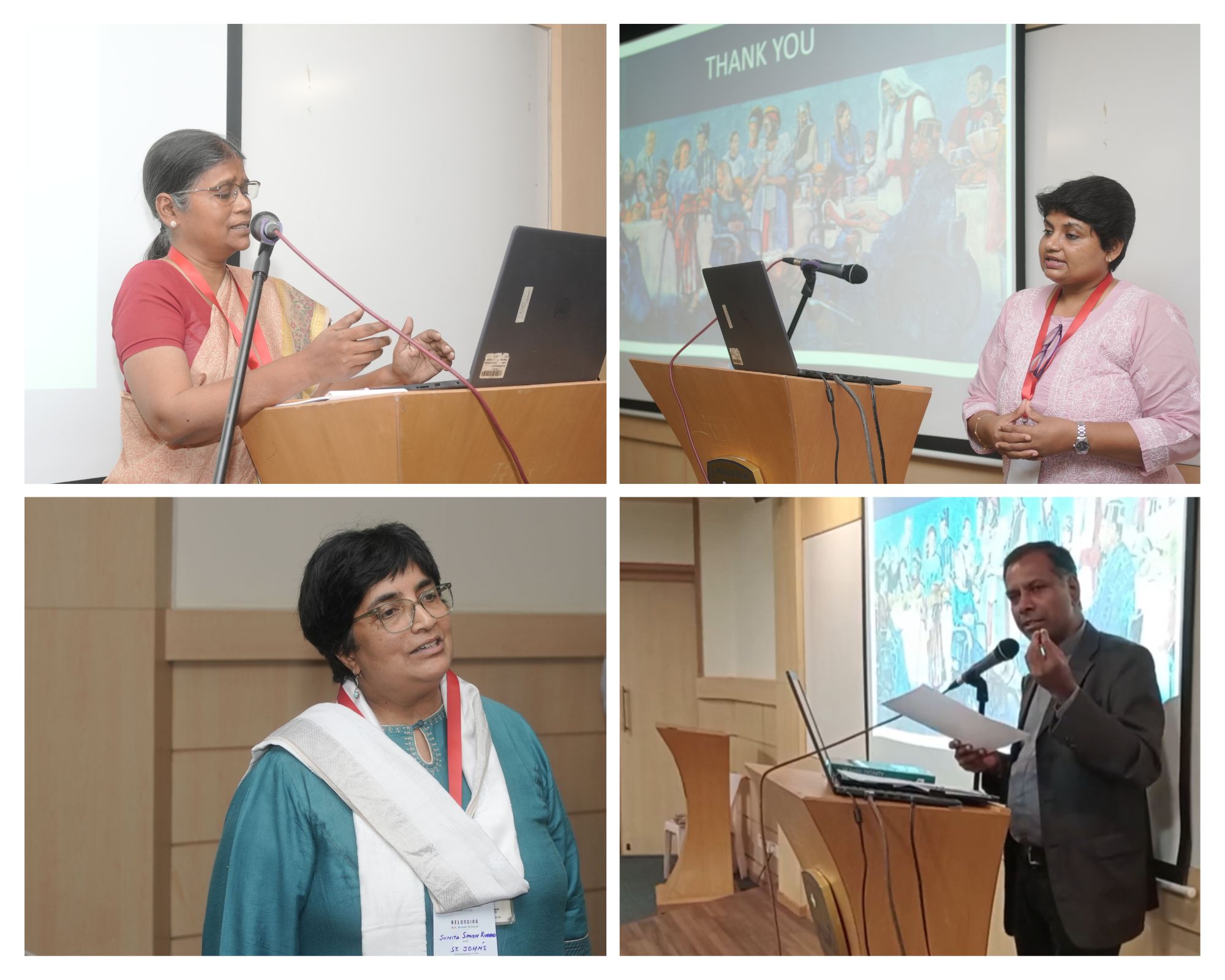
- Imago Dei: Disability and the Ethics of Life and Care, chaired by Dr Binu T. Kurian, and speakers were Dr. Sheba Eicher, Dr Roopa Varghese, Fr Charles Davis, and Dr Sunita Simon
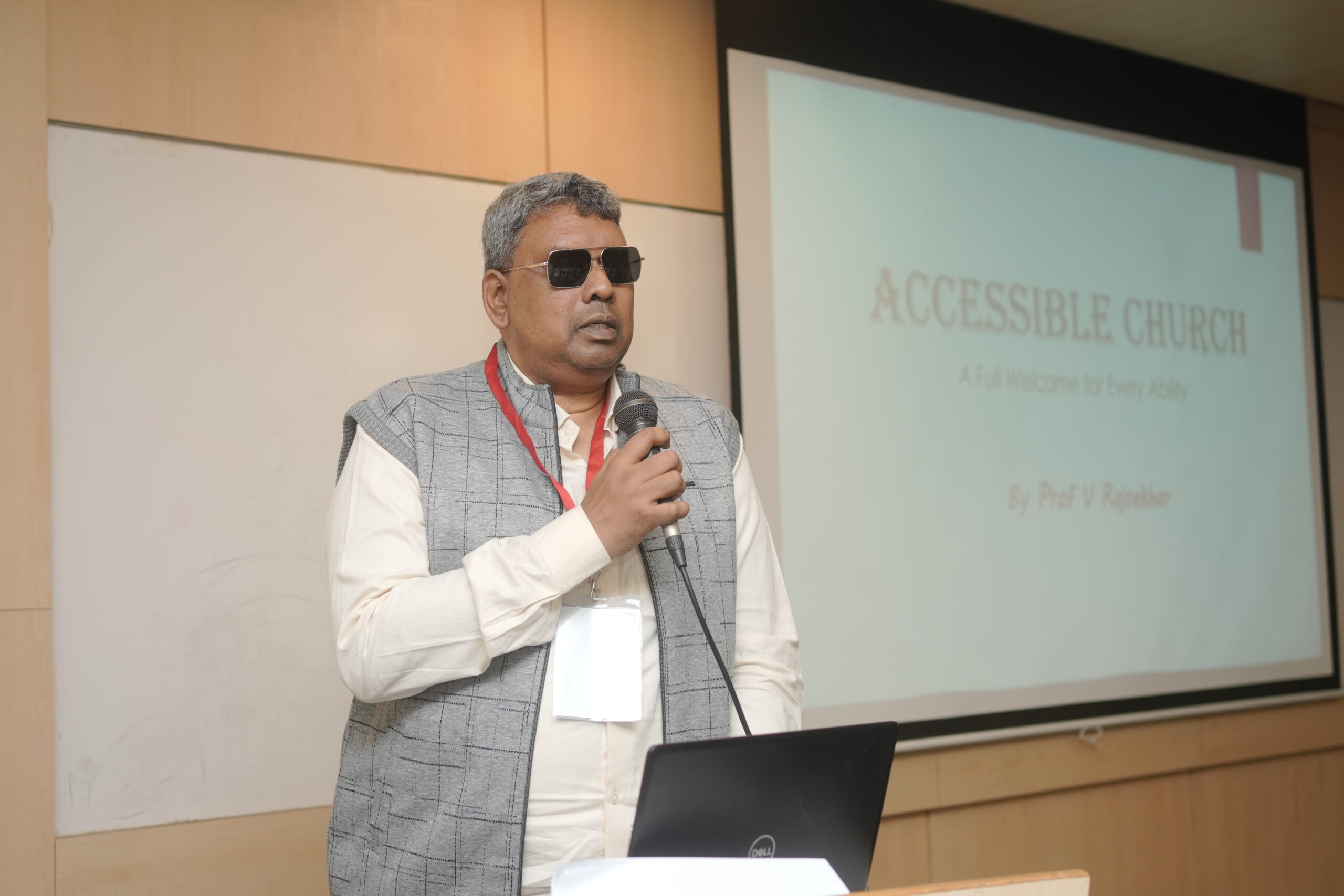
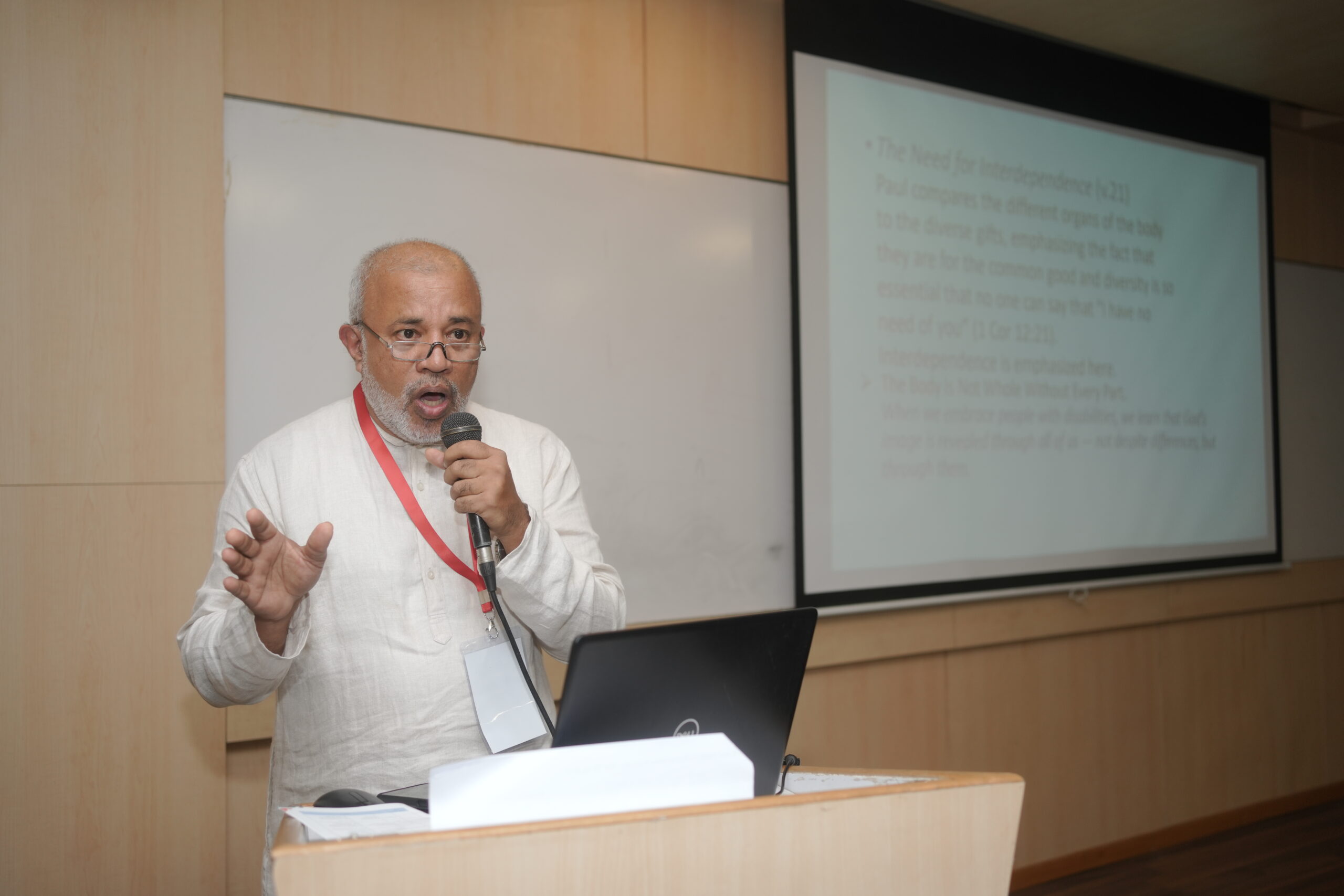
- Embracing Disability in Faith Communities, chaired by Fr Santhosh Diaz, and the speakers were Dr Mathew C Varghese, Fr. Joseph Thermadom, Prof Rajashekar, and Mr. Rohit Philip (via recording)
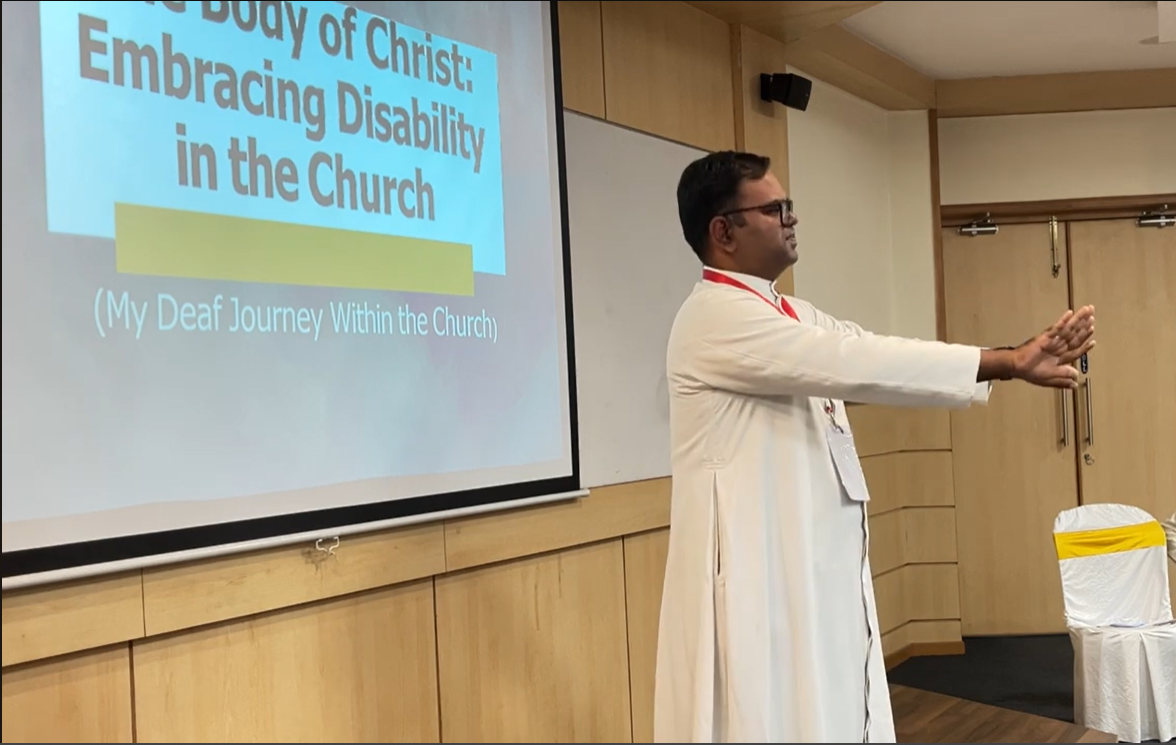
- Will There Be Disability in Heaven? With the speakers Rev Samuel George, Dr Devajyothi Kumar, and Dr Alamelu.
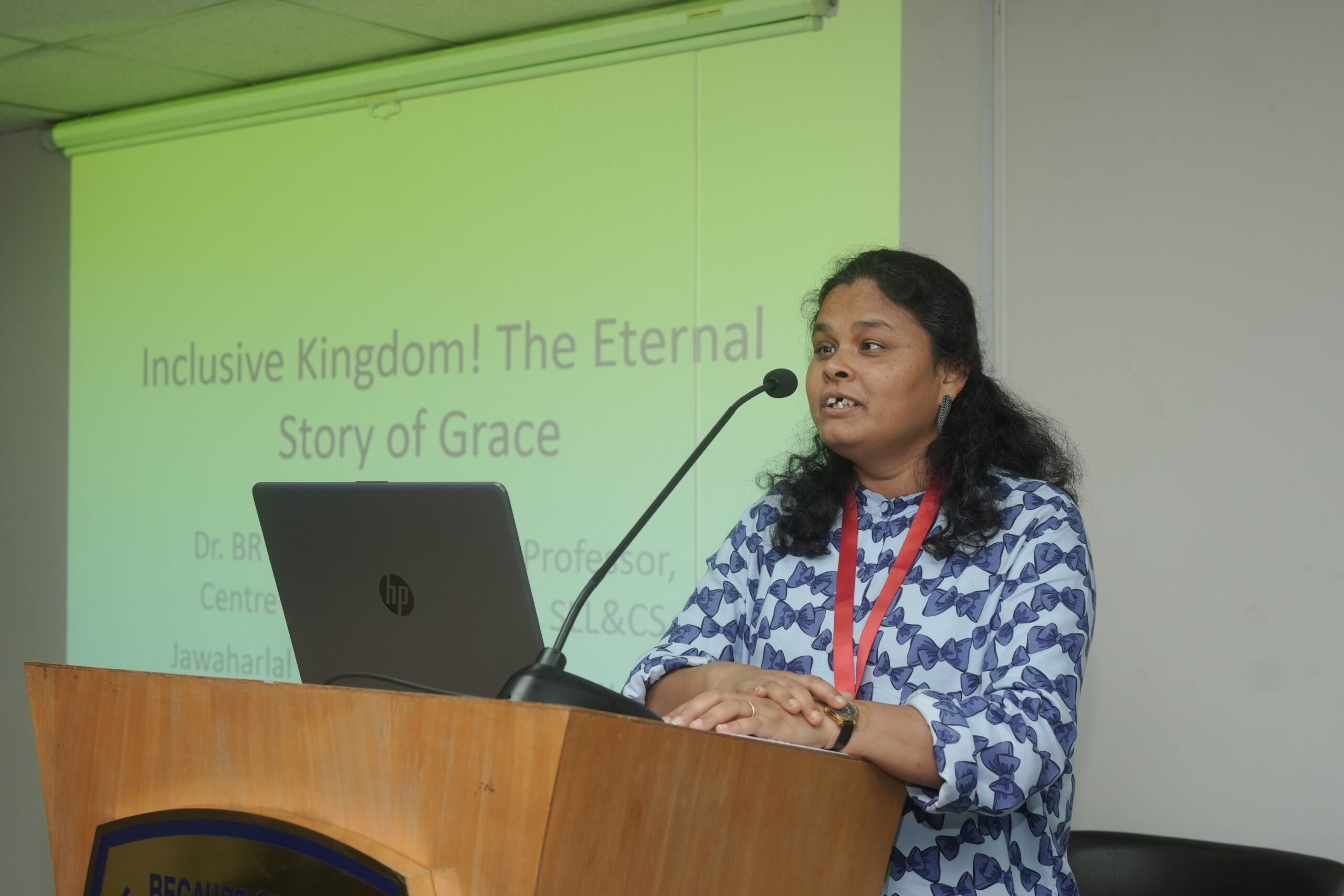
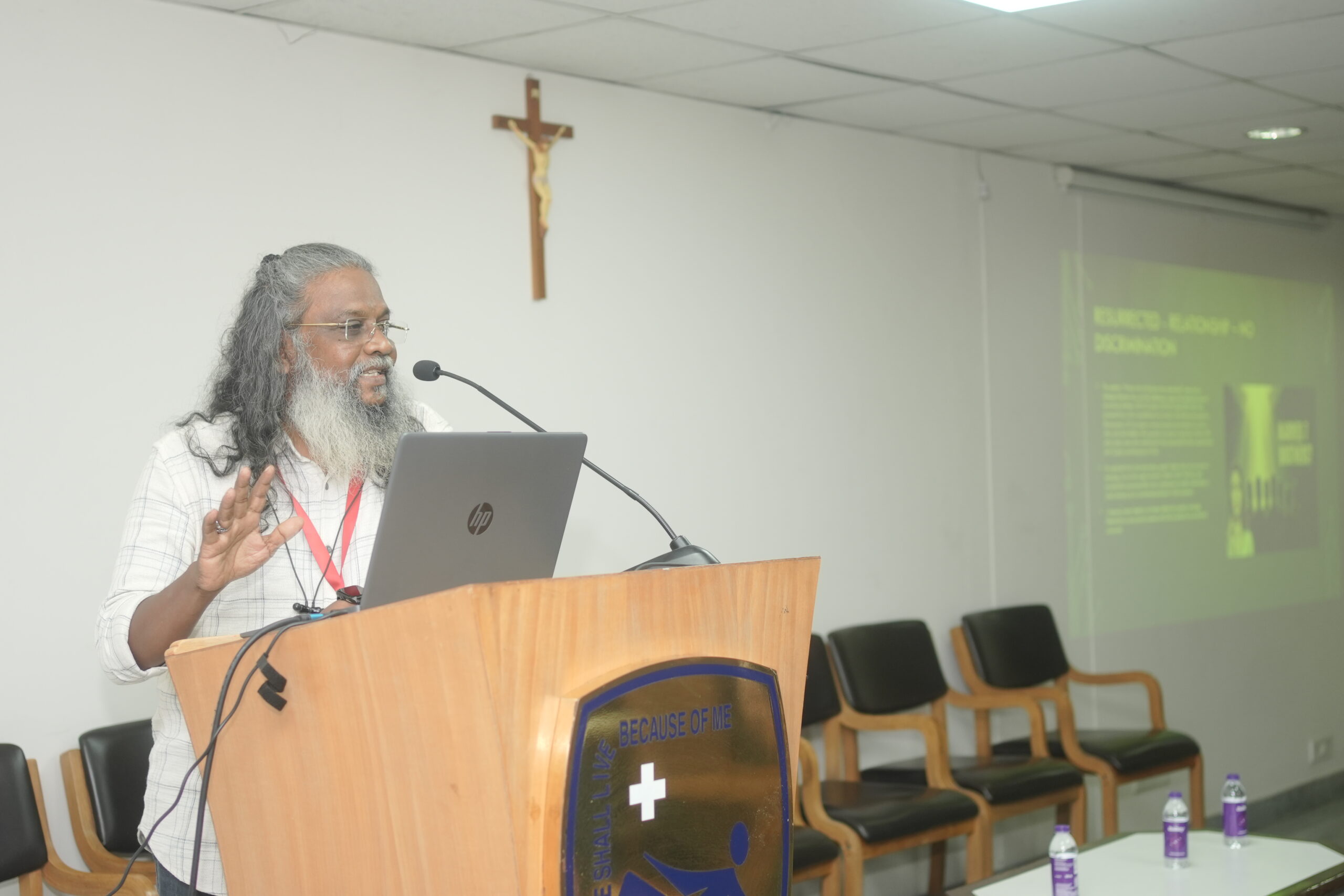
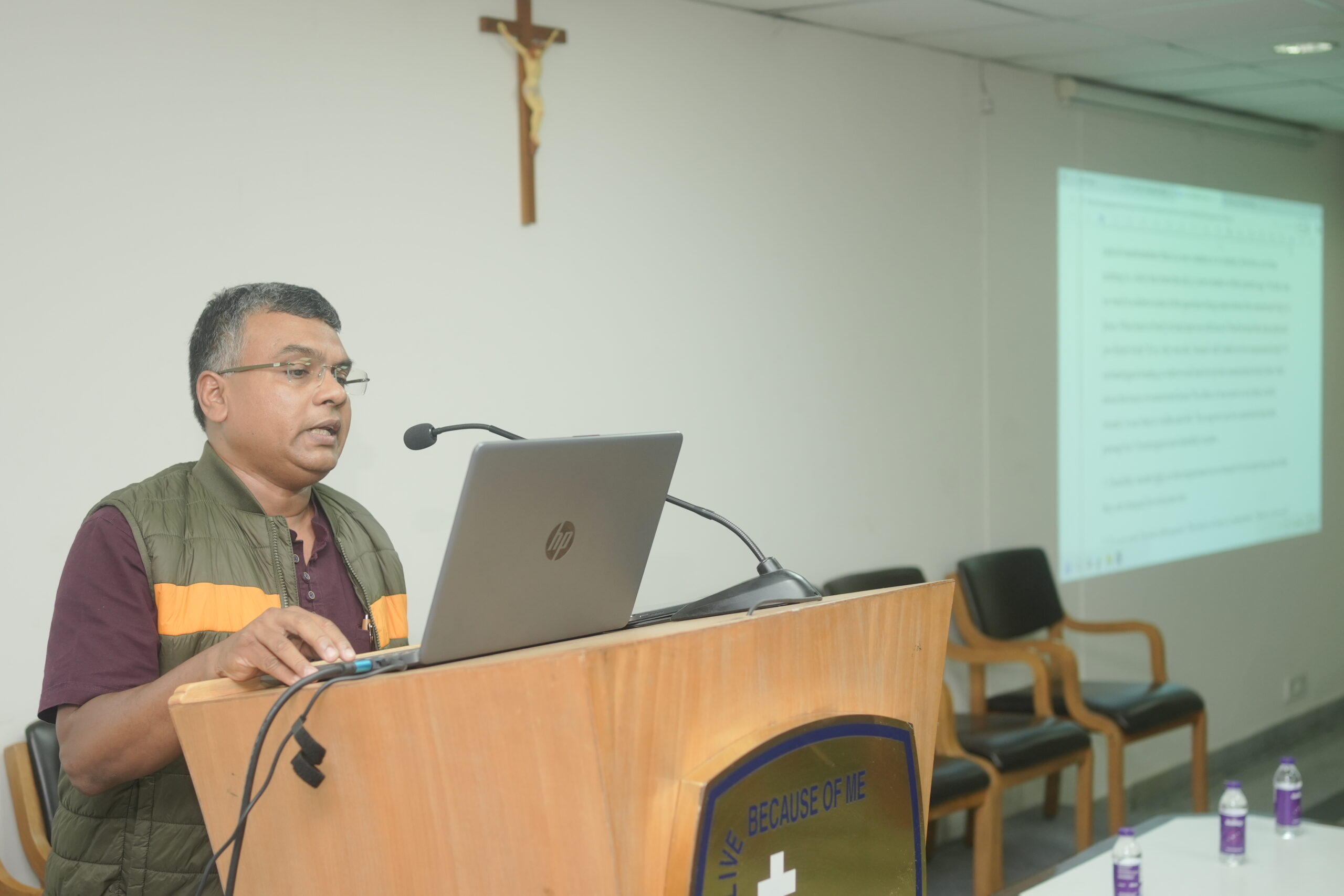 With a deeply engaging question, “Will there be disability in heaven?” Theologians and scholars — many of whom were persons with disabilities themselves — offered diverse perspectives while reflecting from experience and scholarship. They all shared a common conviction — that disability is not a defect to be erased but part of the fullness of human identity and dignity. The discussion affirmed that God’s kingdom is an inclusive kingdom, where every life bears beauty, purpose, and grace.
Day 02: Be Loved
Day two focused on the theme “Be Loved,” inviting participants to reflect deeply on love as the foundation of belonging and deepening the understanding of how faith communities can go beyond welcoming. The day opened with multilingual worship led by the ED Bangalore hub and a devotion led by Archbishop Most Rev. Peter Machado, who reminded the gathering that every human life, including those with disabilities, reflects God’s care and belonging. The Archbishop emphasized that perceived limitations often coexist with extraordinary strengths and affirmed that God accompanies people through their vulnerabilities.
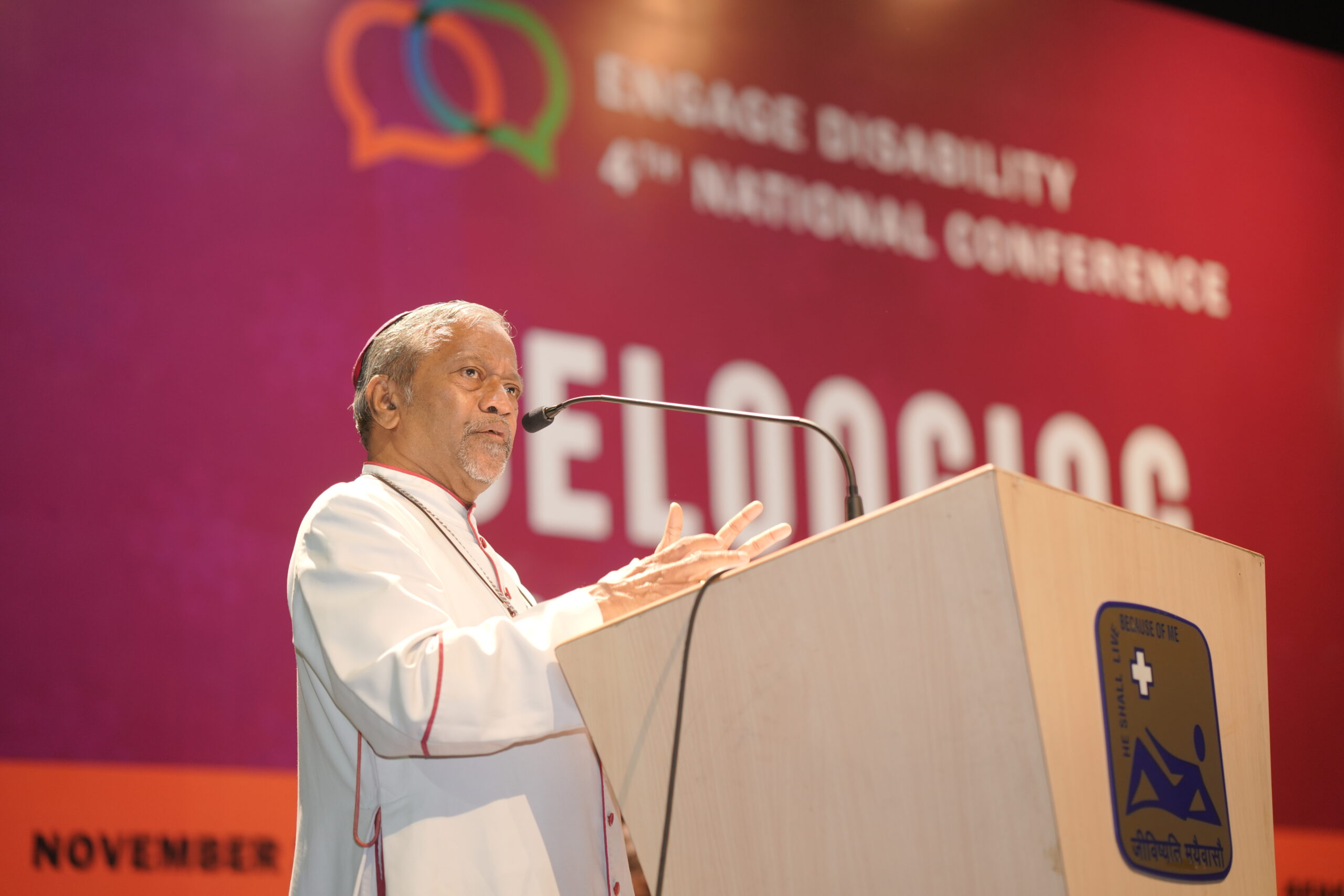
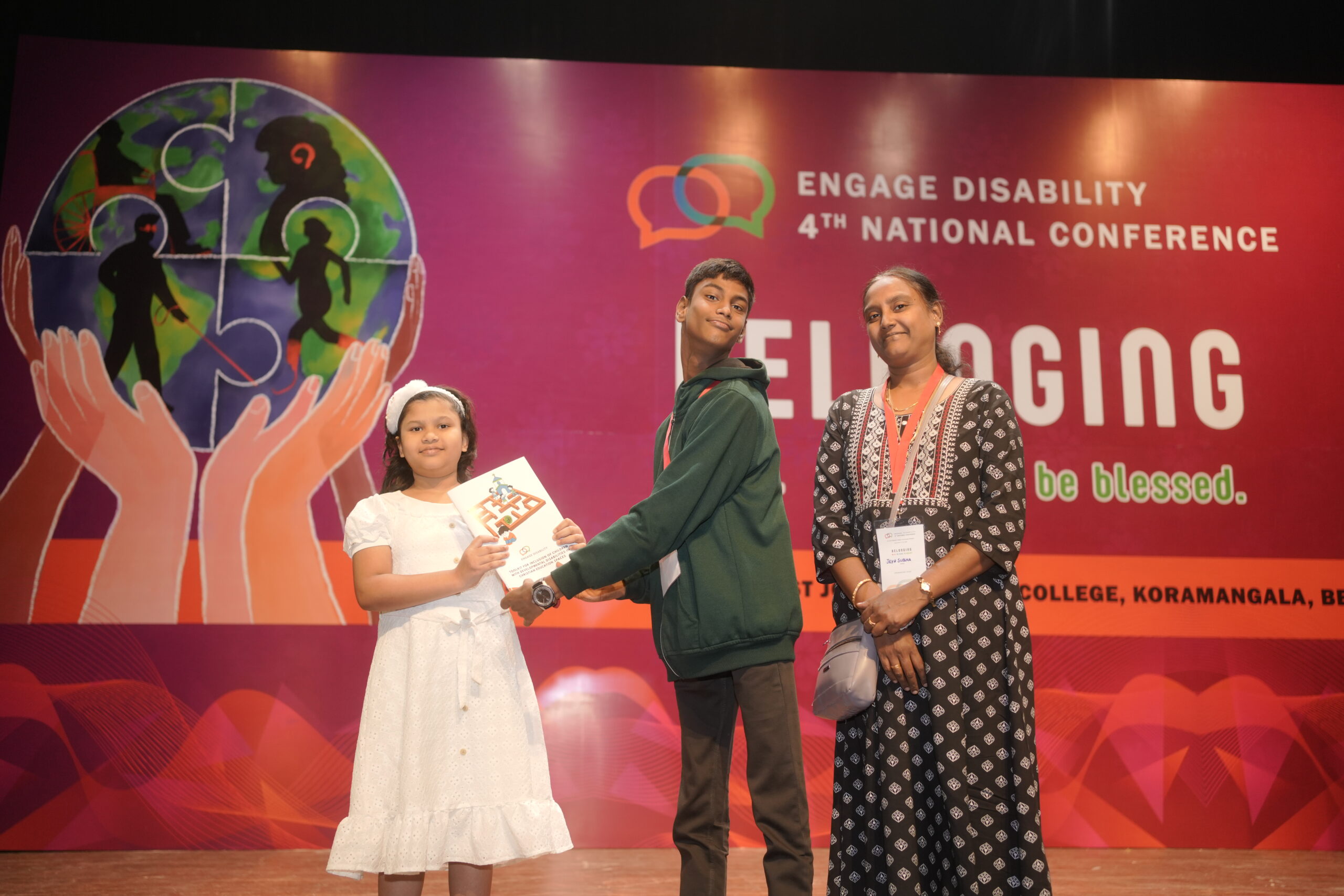
A key milestone of the day was the launch of a resource toolkit designed to support the inclusion of children with intellectual and developmental disabilities in Christian education spaces that was released by the Archbishop. Symbolically, the first copy was received by a parent of a child with disability, marking the toolkit as a resource shaped by lived experience. Ms. Jaya Subha, a parent of a child with developmental disability and the child Rudra Carvin who was present among the participants received the first copy.
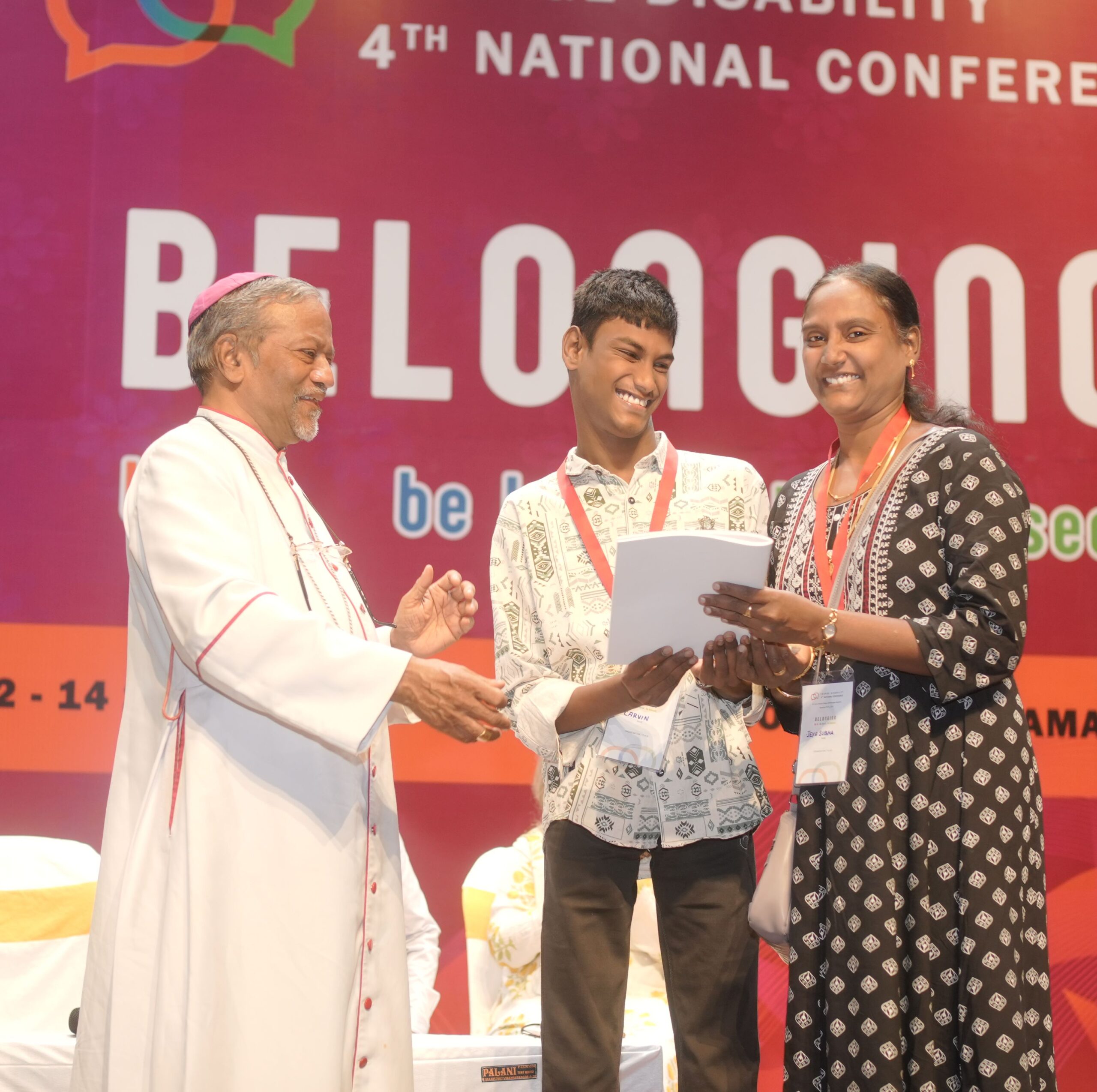
Later in the morning after the keynotes the National Coordinator explained further about the curriculum/toolkit that had been released by the archbishop. She displayed the book’s cover design and described how the design symbolically represents the reality that children with developmental disabilities often struggle to find their place within the church. The design serves as a reminder of the need for intentional inclusion and support.
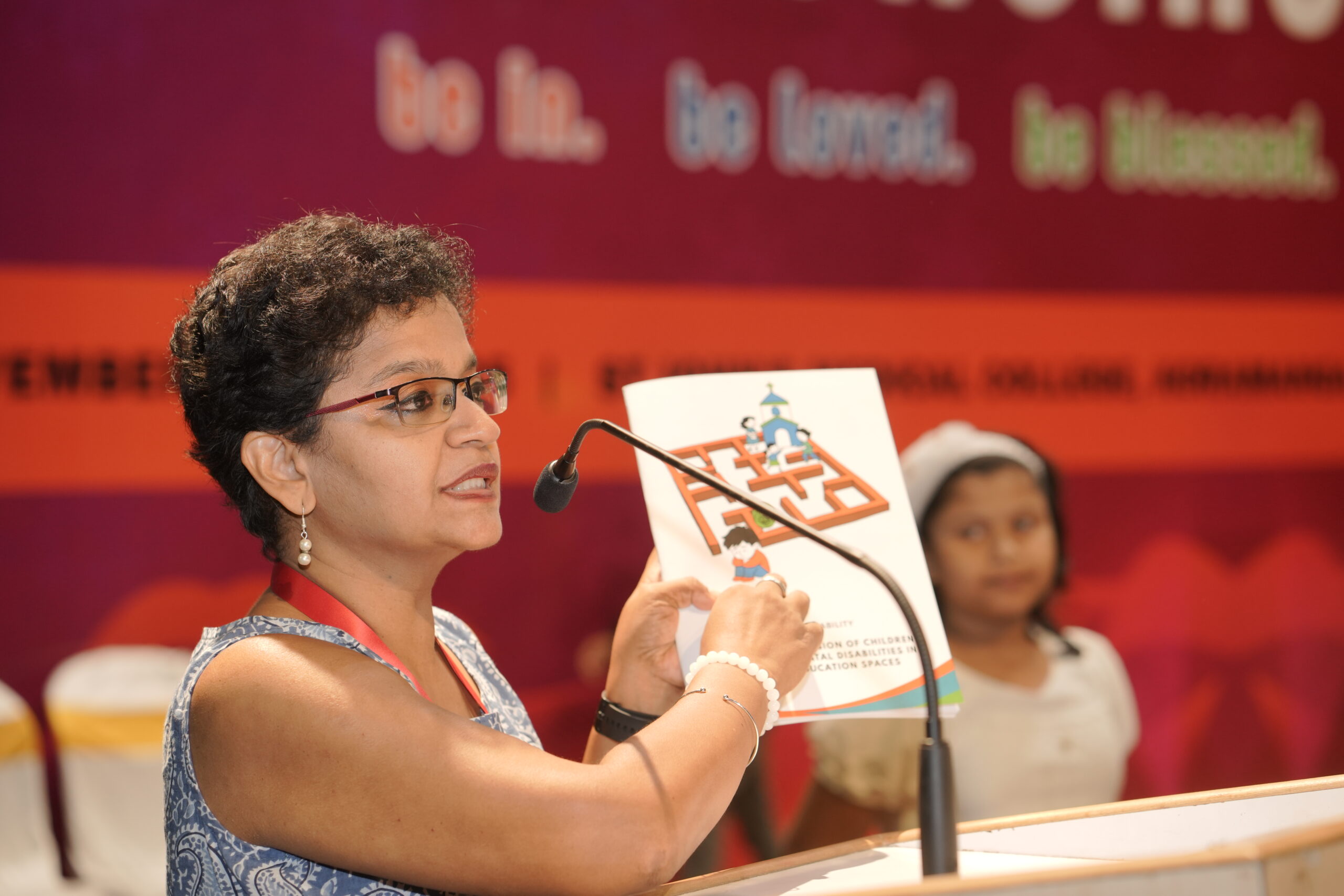
She also facilitated a symbolic gesture by inviting a child with developmental disability, Rudra Carvin, to gift the toolkit to another child participant Priscilla—representing that shared learning is possible and symbolically embodying that inclusive spaces of children with disabilities and without disabilities was not only possible but necessary.
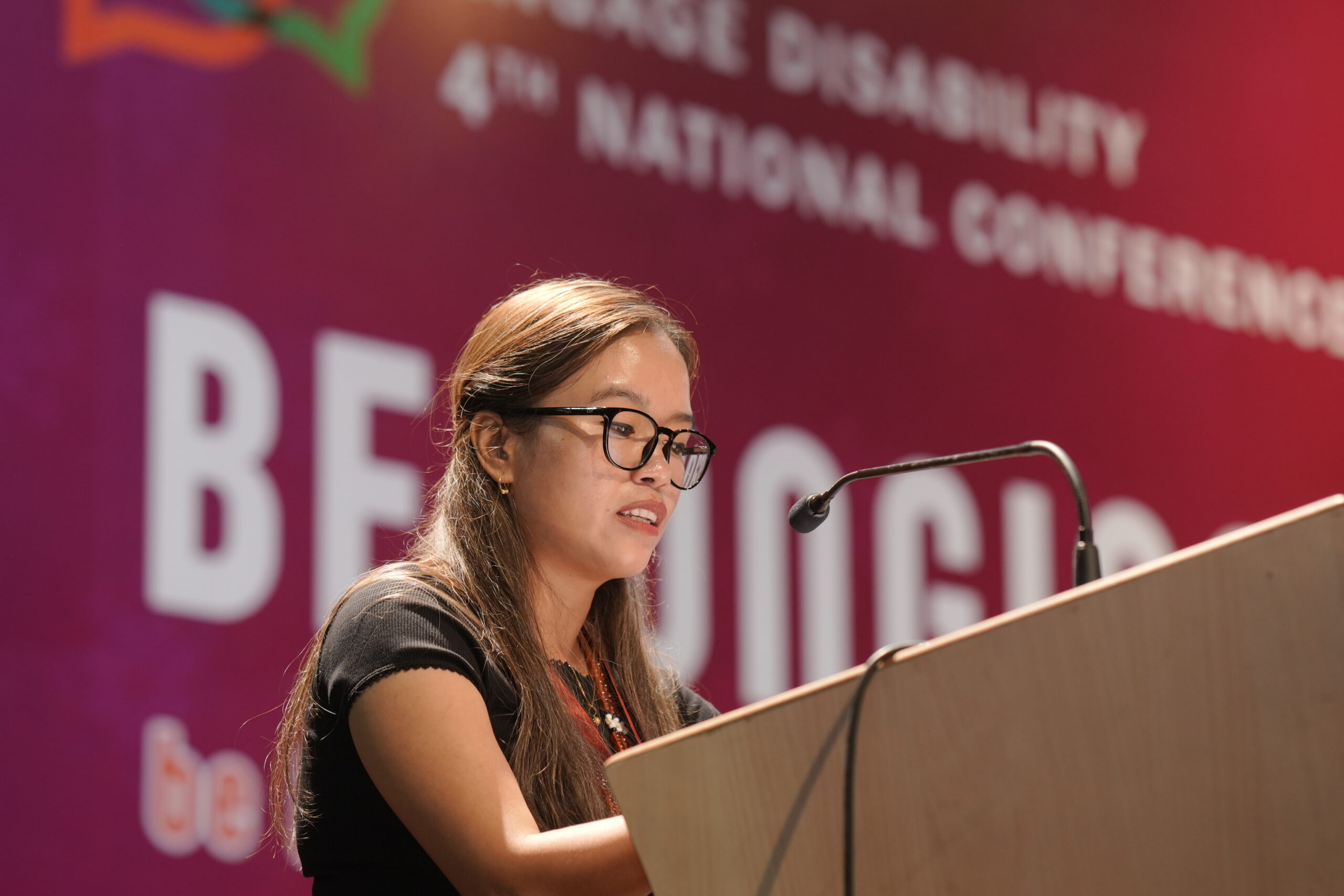
Chaired by Ms Ashe Kiba, General Secretary of Nagaland State Disability Forum (NSDF), two keynote addresses followed. The first keynote – Be Loved: Biblical stories about disability and belonging, was delivered by Rev. Ribin John, Executive Secretary for Ecumenical Fora, NCCI. Rev. Ribin explored disability through biblical narratives, affirming that God’s love honours differences rather than erases them.
Positioning his session as an exploration of four biblical passages related to persons with disabilities, Ribin presented them in a dialogical and dramatic format: For each passage, he read the Scripture and then enacted the voice of the character.
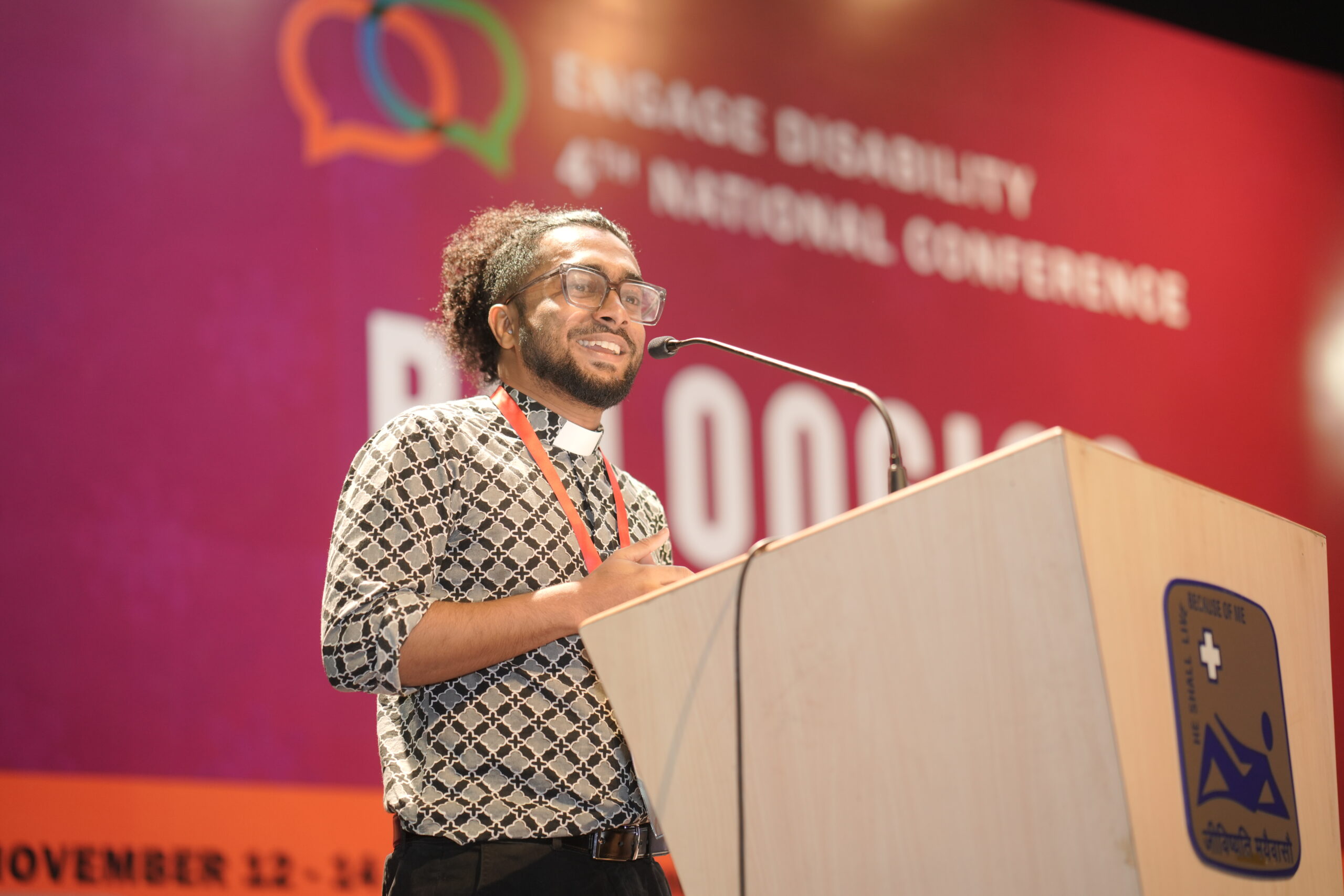
The fifth faith story drawn from contemporary life narrated by Ribin highlighted the story of child struggling in school who was encouraged by a kind teacher who affirmed his strengths rather than perceived weaknesses. Finally, Rev. Ribin revealed that this was his own story, sharing his personal journey of living with dyslexia.
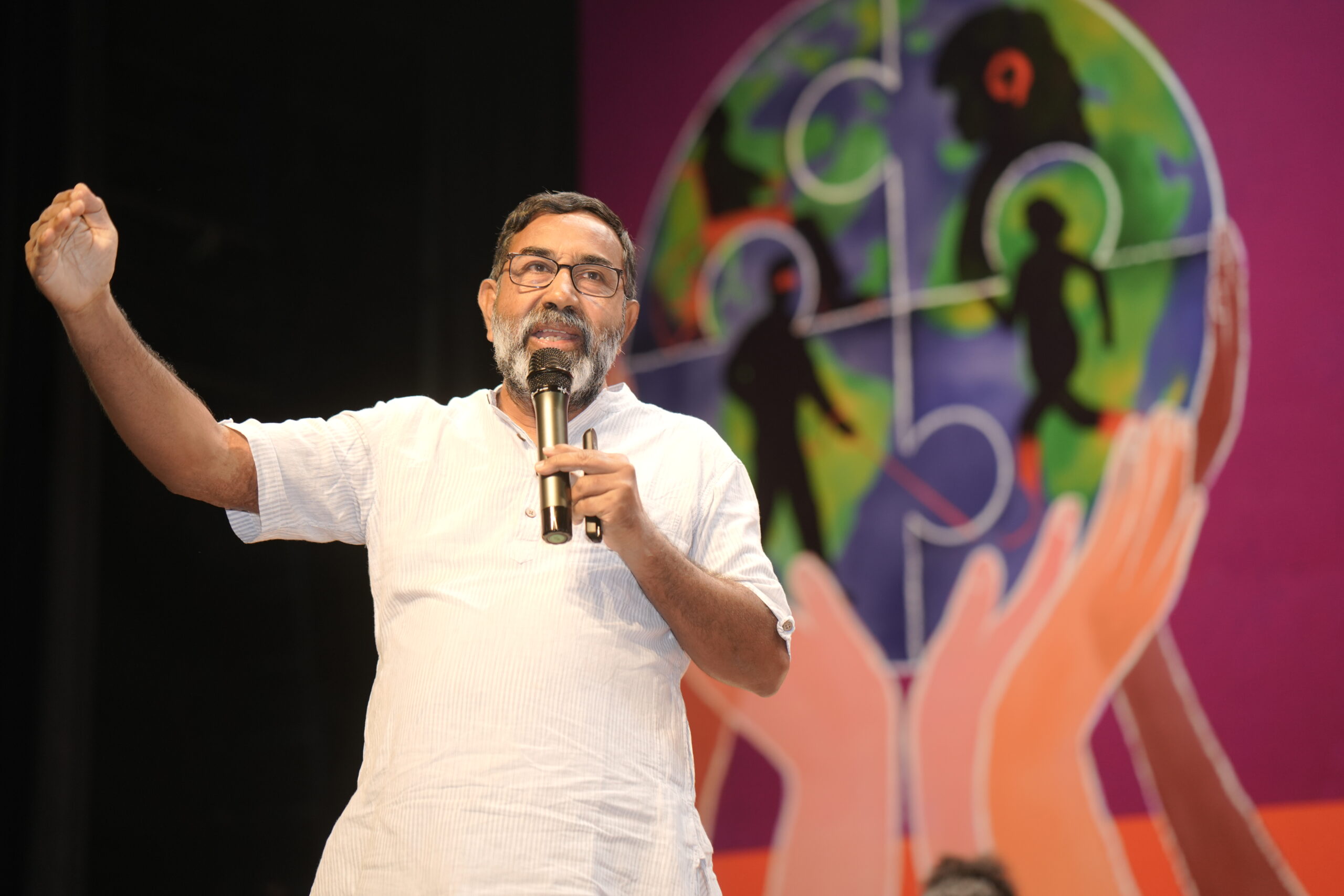
The second keynote on “Fostering belonging: from intentions to action” was by Fr. George Kannanthanam. Fr. George shared practical models of inclusion drawn from long-standing community work, emphasizing love in action –upholding the dignity of persons with disabilities beyond faith spaces and institutional boundaries. He raised an important question: “What can we do beyond the faith community?” He reminded the audience that every person has a social, political, educational, and economic life that extends beyond faith spaces. Therefore, the responsibility of inclusion must not be confined to the church alone. Fr. George shared insights from his many years of journeying with persons with disabilities and introduced a model that religious congregations and NGOs can adopt. Highlighting his work with the Sumanahalli Society for People Living with Leprosy and Disabilities, Economic Empowerment and Housing, The Project Vision, Project Shelter, The Child Trust, Fr George concluded his keynote by stressing that faith must be demonstrated through action—“Faith in Action.” He expressed concern that many church leaders believe their responsibility ends with spiritual guidance. On the contrary, he said, they must care for people’s practical needs, ensuring support, community, and dignity for all.
A panel discussion that followed including the keynote speakers and Rev Benjamin Christian, further translated theology into practice, addressing how faith communities can remove barriers, challenge stigma, and create meaningful roles and leadership pathways for persons with disabilities. The conversation highlighted practical steps—such as accessibility resources, trained volunteers, buddy systems, intentional leadership opportunities, and sign-language inclusion—to make participation real rather than symbolic. Stories shared by theologians, faith leaders, and practitioners underscored that inclusion requires deliberate initiatives, learning and long-term commitment.
Children from City Harvest Church closed the morning sessions with a lively performance that brought joy and smiles to the faces of all participants.
Four parallel breakout sessions were conducted, each addressing a key dimension of disability inclusion within faith communities:
- From Welcome to Belonging: Practical Steps for Faith Communities, chaired by Mr Daniel Victor, and speakers were Mr. Samuel Kamlesh Kumar, Ms. Jessica Richard, Mr. Moses Chaudari, and Rev Samraj
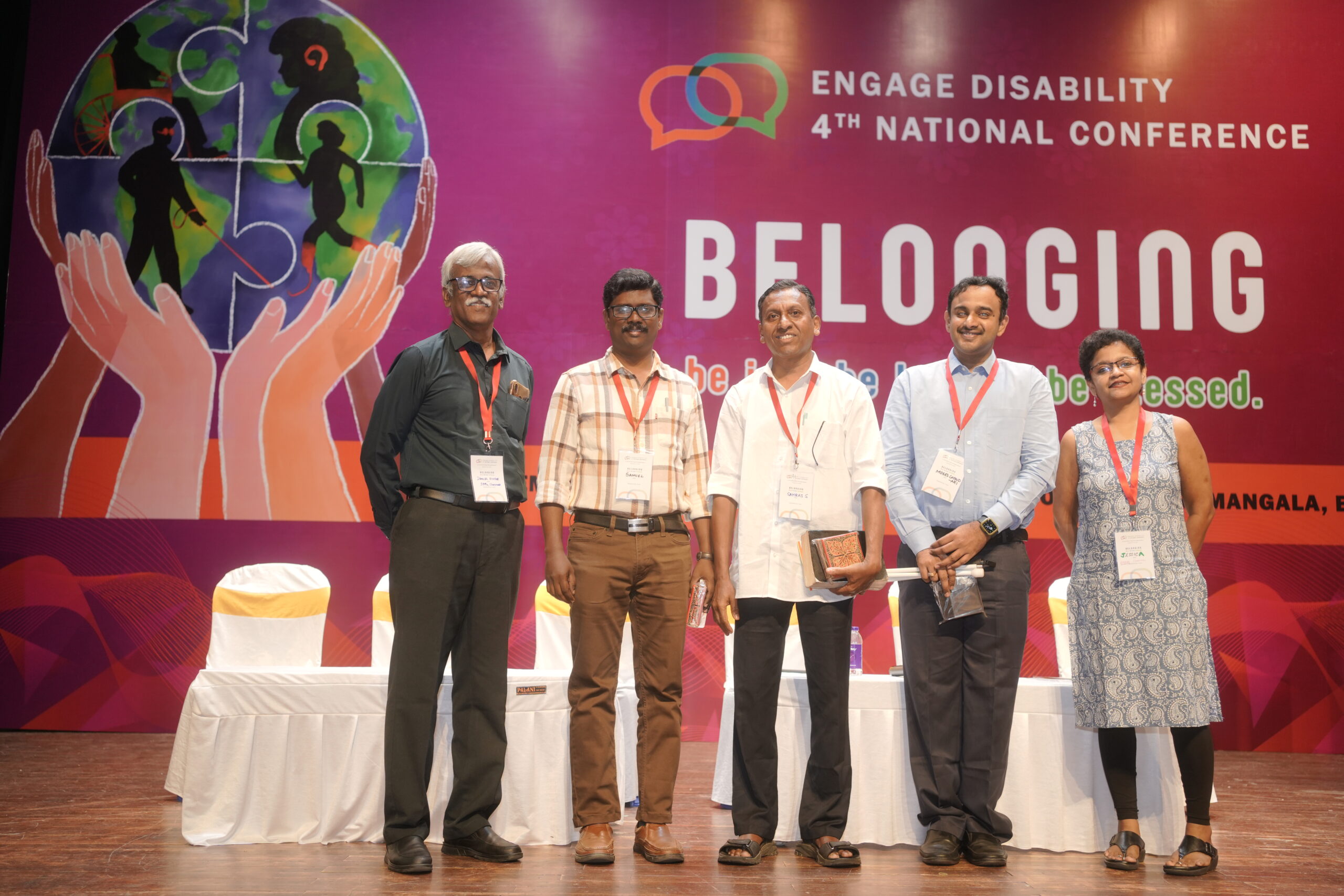
- Where every child belongs: Building Inclusive Faith Spaces for Children with Disabilities, chaired by Ms. Fairlene Soji, and speakers were Ps Shine & Sr Candida, Ms. Daniella Varghese, Dr Prabhu, and Pastor Pat Lamech.
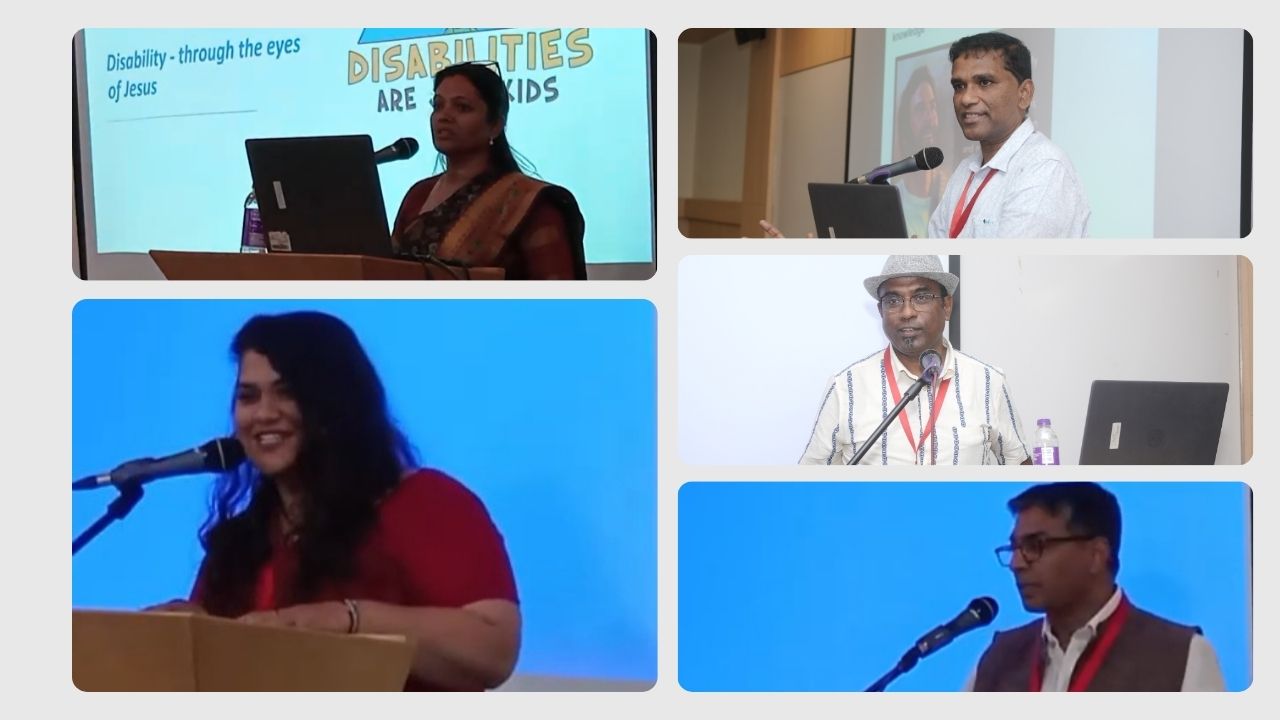
- Beyond Benediction: How Faith Communities Can Support Families Living with Disabilities, chaired by Ms. Avitha Daniel, and speakers were Ms. Sarah John, Dr Mathew T. Varghese, and Dr Sharad Philip
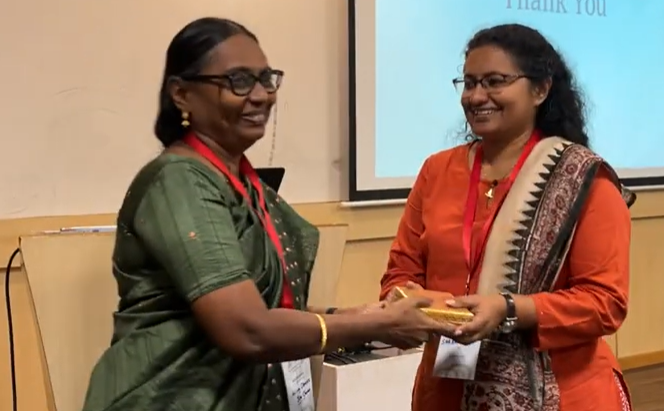
- Belonging Realized: Stories of Inclusion Within the Engage Disability Network, chaired by Dr Shilpa Barrey, and speakers were Mr. Victor Doungel, Ms. Ashe Kiba & Mr. Ngaugongbe, Rev. Rajan Immanuel, and Rev Ribin John
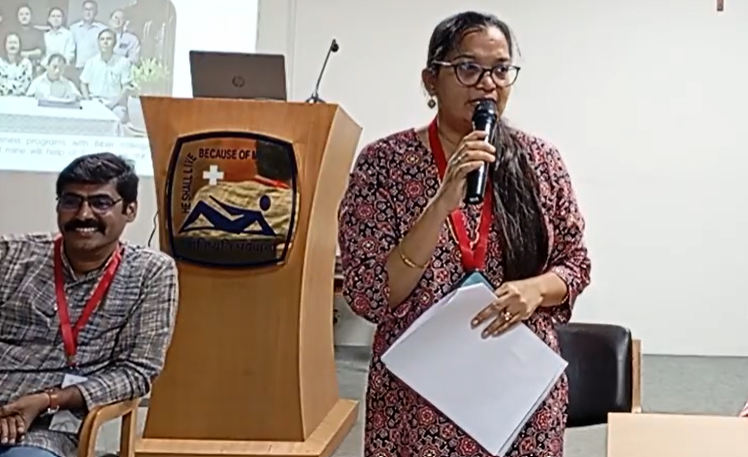
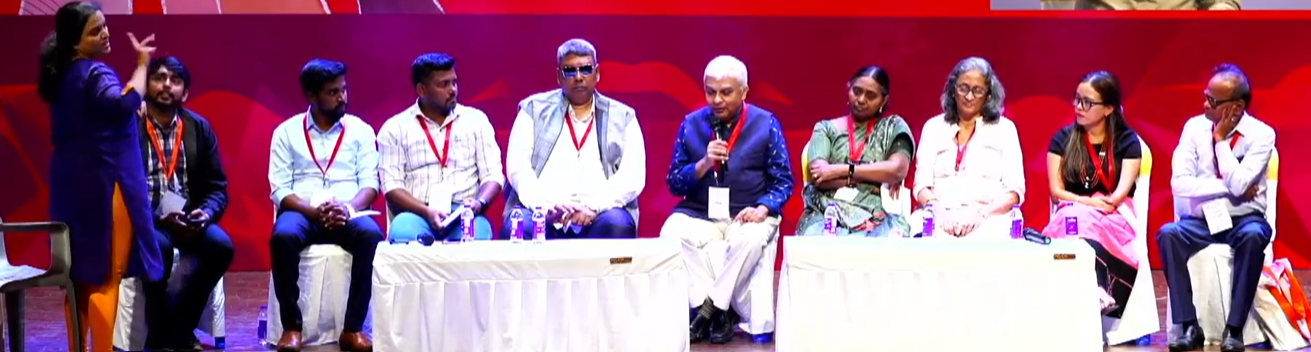
A video on the ED hubs was played to introduce the audience to the concept of hubs. It featured ED leaders and hub members speaking about the impact and significance of regional hubs, where people from each area come together for collective engagement. This was followed up by a panel of ED Hubs moderated by the Chair of ED, Mr. George Abraham, wherein he quizzed each hub with a common set of questions and each regional representative responded to these questions in detail, sharing experiences and insights from their respective hubs.
The networking event in the afternoon was chaired and led by Mr Christopher Baskeran, former Advisor- Faith and Development for World Vision International’s East Asia Region. A presentation on the Engage Disability network evaluation by Dr Sara Varghese highlighted progress, strengths, and ongoing gaps, calling for sustained leadership, resourcing, and structural support.
Baskeran then invited the participants to gather in groups to reflect on these findings and plan for future hub engagement. He divided the participants into regional groups and provided an outline for discussion. The afternoon session focused on strengthening ground-level implementation across regions through established hubs and networking. The day’s sessions concluded with regional hub planning sessions, where local teams identified priorities and next steps to carry the movement forward into their faith communities and the wider society.
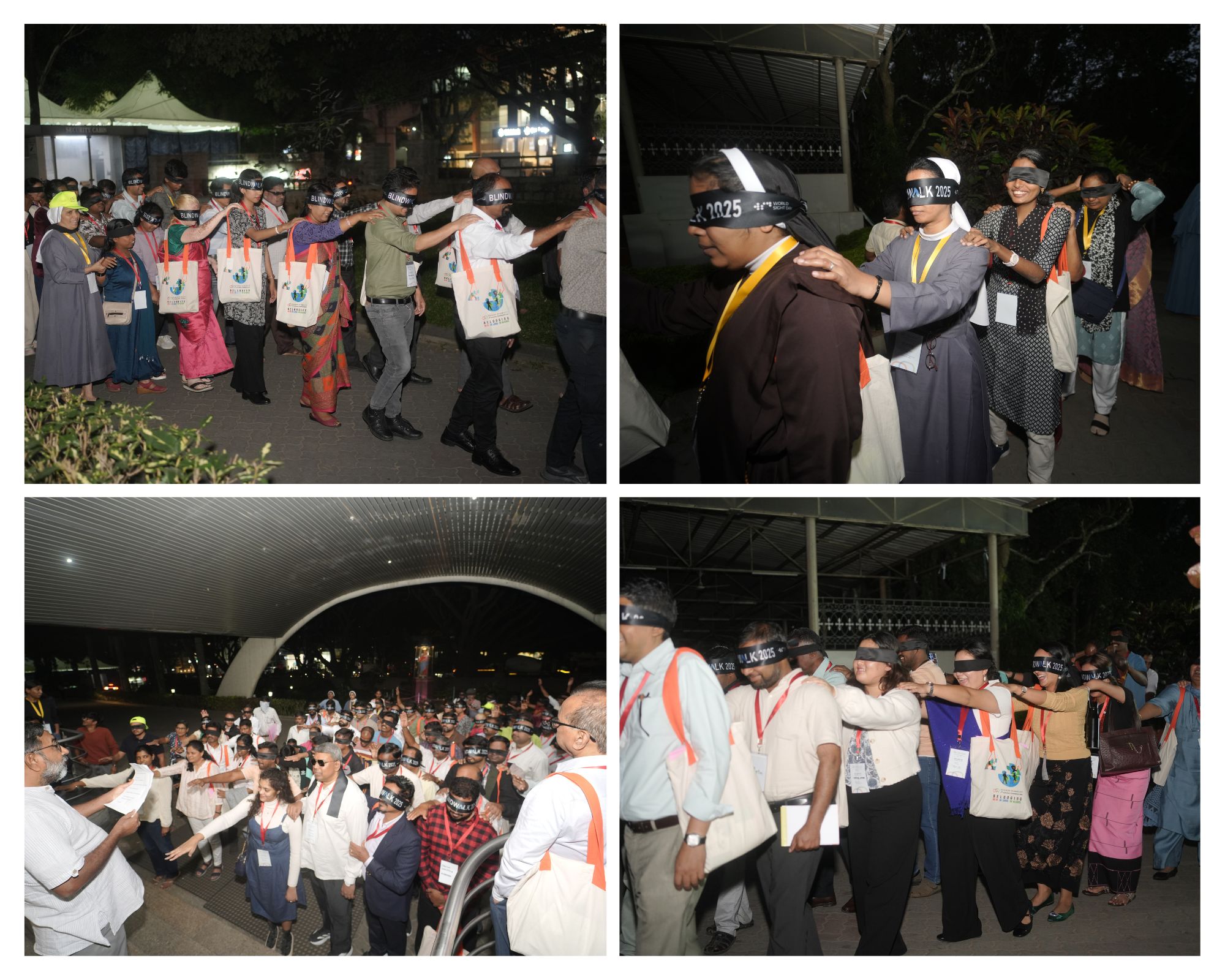
After sessions the participants were invited to join a “Blind Walk” organised within the campus and led by Fr George Kannanthanam of Project Vision. The walk was a plunge-experience for participants without visual impairment to be blind-folded and led by friends with visual impairment. At the end of the walk Fr. George led everyone in a pledge affirming the dignity for people with disabilities and the importance of eye donation.
Day 03: Be Blessed
The final day carried a tone of gratitude, hope, and commissioning. The theme of the day focussed on highlighting the different ways people with disabilities are a blessing to faith communities and are bearers of mission with agency. The morning devotion by Rev. C. Benjamin, Director of FEBA India, set the tone, reminding participants that God sees ability where society sees limitation. His message closed with a memorable question raised by a child with disability during a public performance: “Tell us who is disabled—us or you?”
The children from CSI Arpana Special School presented a special performance with the teachers introducing the children by name and explaining the meaning of the song they performed for.
The keynotes were chaired by Mr Daniel Victor who opened with remarks that belonging implies being a blessing to each other.
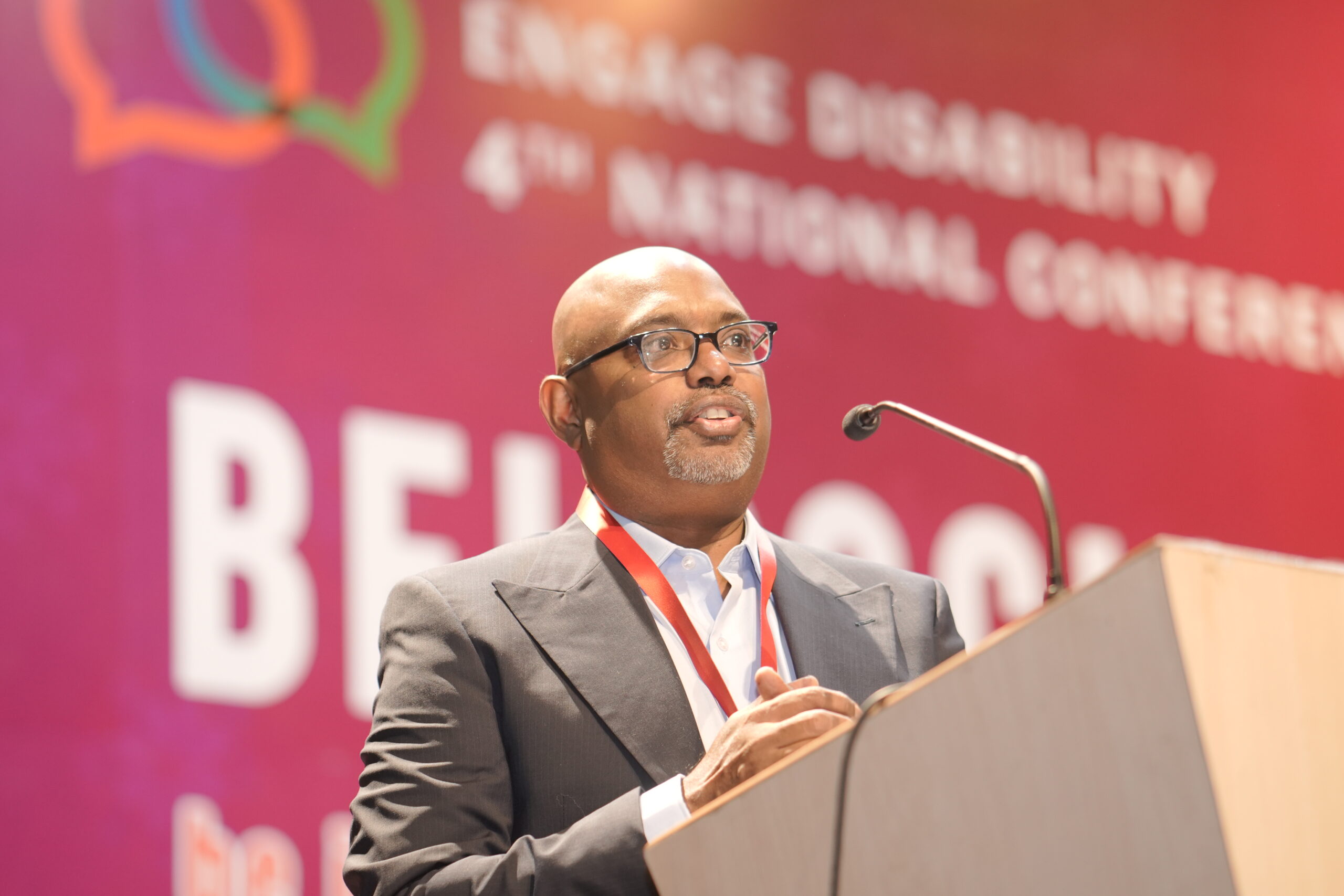
Rev Philip Vinod Peacock, the General Secretary designate of the World Communion of Reformed Churches (WCRC) in the first keynote on “People with Disabilities: Not Recipients but Participants in God’s Mission” challenged the faith communities to move from acts of charity to acts of justice, creating spaces where persons with disabilities are treated as full participants rather than passive recipients. He explained that charity often empowers the giver and dehumanizes the receiver. It reinforces power dynamics rather than addressing systemic barriers. Highlighting Jesus’ radical perception of Bartimaeus, Peacock affirmed that Jesus did not see him merely as a blind man in need of healing, but as a person with agency. Disability, he said, should not be viewed as loss or lack, but as an expression of the full diversity of humanity. He encouraged the audience to see God not only as perfect, but also as the broken and wounded One, highlighting that salvation itself comes through brokenness. Situating disability perceptions within the capitalist worldview which values wealth and power, Peacock challenged the audience to stop asking what we can do for persons with disabilities, and rather to consider what we can learn from them. Learning, he said, must be mutual.
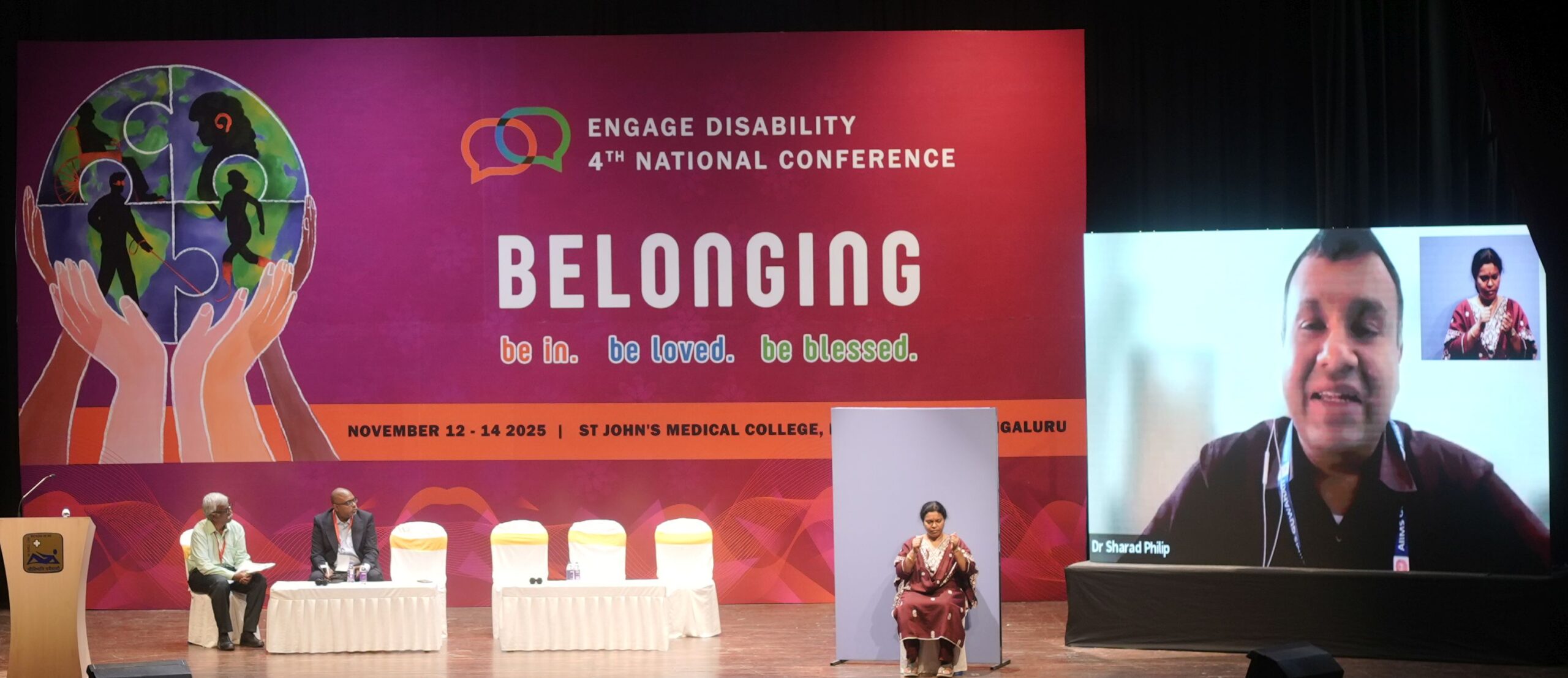
Dr Sharad Philip’s keynote on “How people with disabilities would like to be a blessing to the Church” (via video) shared from his experience as a medical professional and person with visual impairment, affirming that persons with disabilities enrich the faith community through their witness, resilience, and discipleship. An Assistant Professor, Department of Psychiatry, AIIMS, Guwahati, Philip drew a parallel between the blind man in John 9 and his own life. He noted that disability has often been treated merely as a subject of charity and support, yet God sees and respects people with disabilities. Drawing on the healing of the man at the Bethesda pool, Philip observed that people with disabilities, often demonstrate to those around them what complete reliance on God looks like. According to him, people with disabilities are not merely contributors to the Church—they are indispensable. They kindle the faith of others, uphold the Church with theological depth and biblical soundness, and their lived experiences enrich and inform the life and mission of the Church.
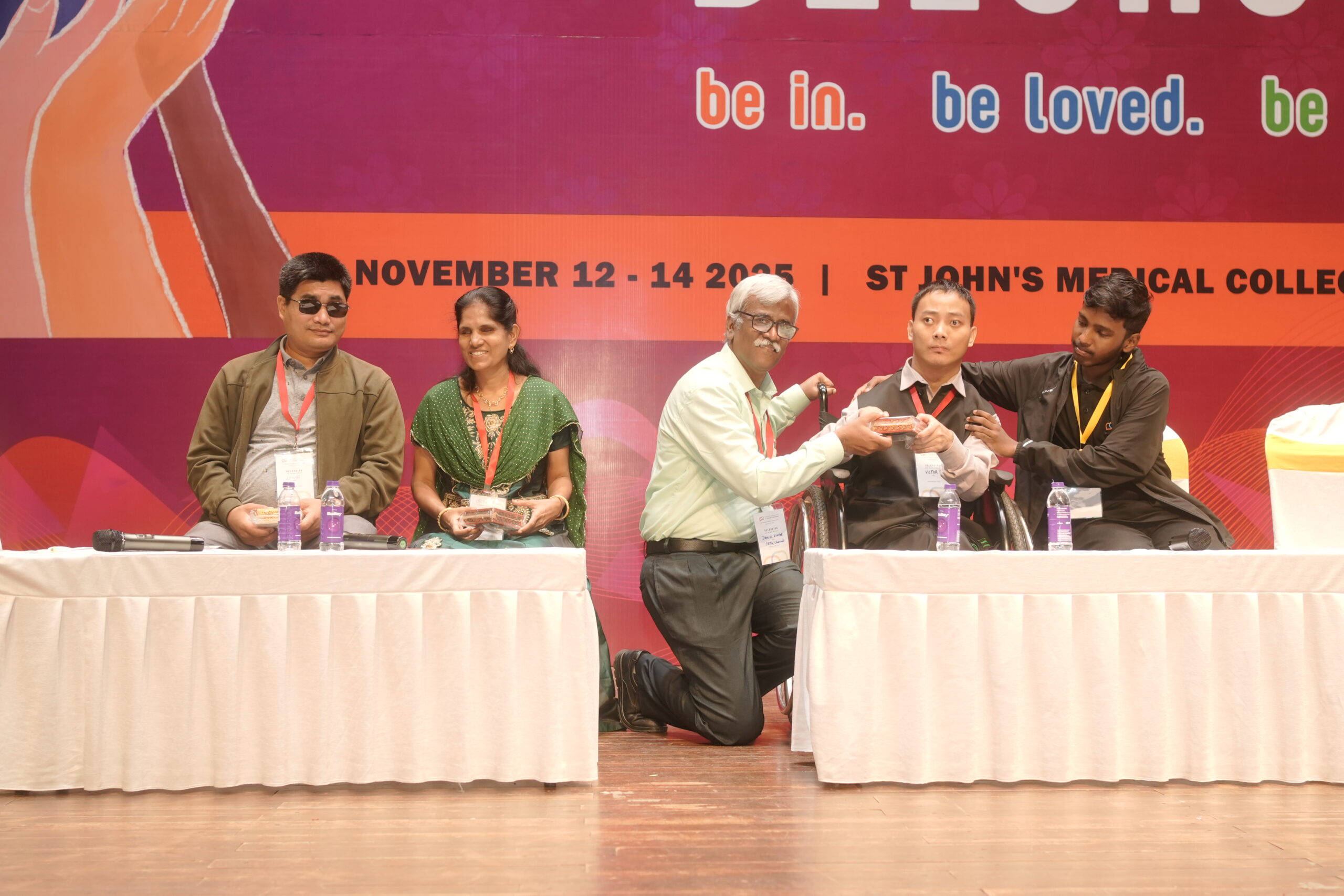
The panel that followed showcased the meaningful contributions of persons with disabilities to the life and faith of communities that surround them. Mr. Doullalem Nehisial (Lema), a theological graduate pursuing a degree in special education and a person living with visual impairment, Rani L who works with Mission to the Blind and is a person living with visual impairment, and Victor Doungel, a social and disability rights activist, and a person living with Cerebral Palsy comprised this impactful panel. Their testimonies—as leaders, advocates, teachers, artists, and community builders, highlighted not only their challenges, but also their calling, agency, and impact. The discussions reaffirmed that the society is incomplete without the presence and leadership of persons with disabilities. Lema shares his aspiration to initiate a school for children with disabilities in Manipur. Rani captured that her journey has been one of moving “from burden to blessing.” Victor emphasized that true belonging comes from being welcomed and loved. More than the physical structures, it is love that makes belonging possible. Father George Kannanthanam, speaking from the floor, remarked that this was the most meaningful panel of the entire three-day national conference. He noted that the session clearly demonstrated what persons with disabilities can do in faith communities and how significantly they can contribute to its uplift and nurture.
The day’s breakout sessions included the following topics to deepen the day’s subtheme:
- Reimagining Strength, Leadership and Witness: Faith Portraits, chaired by Mr Daniel Victor, and the speakers were Rev Joseph Devaraj, Rev Dr. Devajothi Kumar, Ps. Theo Steaphens, and Rev Benjamin Christian.
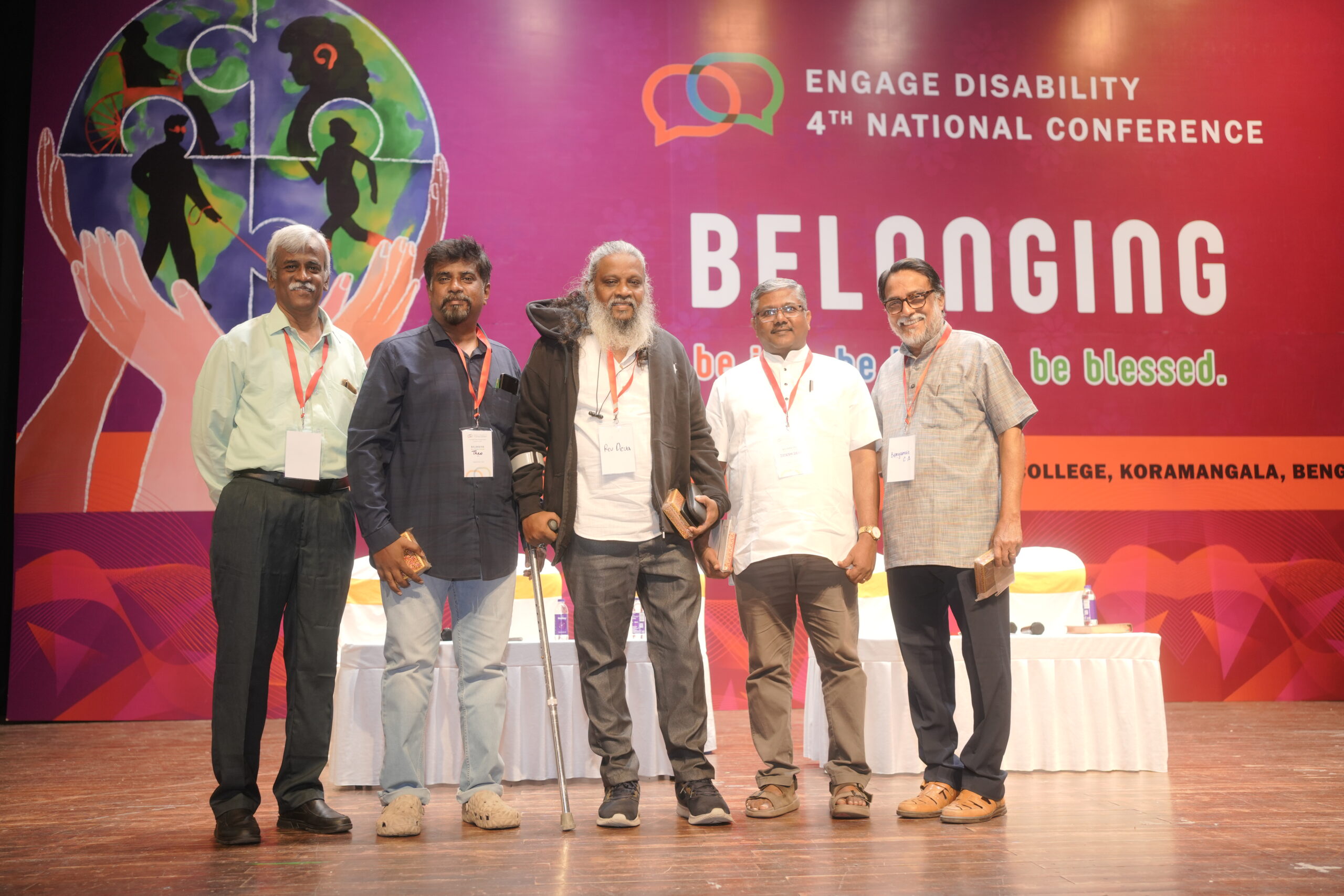
- Blessing the Faith Community: Stories from People with Disabilities, chaired by Dr Shilpa Barrey, and the speakers were Mr. Samuel Mani, Ms. Ashe Kiba, and Sr. Mukta Dagde
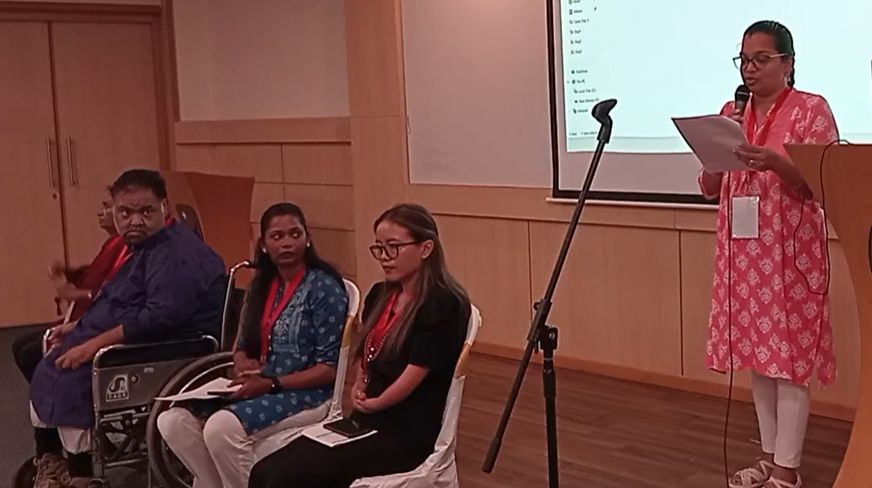
- Redefining leadership: Fostering agency of people with disabilities in faith communities, chaired by George Abraham, and the speakers were Dr Alamelu, Rev Azhagesan, Dr Aiswarya Rao, and Dr Kurian Zechariah
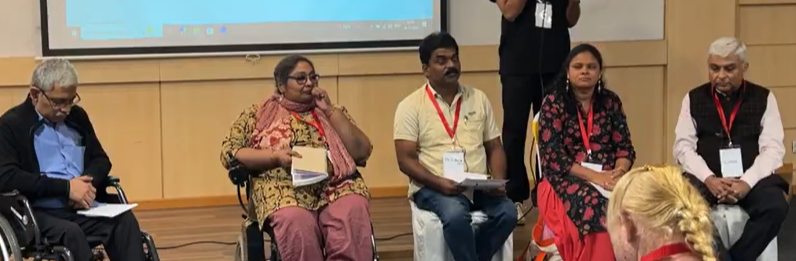
Rev. Christopher Samuel, Diocesan Secretary, CSI Diocese of Karnataka Central Diocese (KCD) brought greetings on behalf of the Bishop of KCD Rt. Rev Vincent Vinod Kumar, and the congregations of the CSI Diocese of Karnataka Central Diocese (KCD). He shared that KCD comprises 155 churches across the state and also runs several institutions in the field of education, including those offering care and support for people with special needs. He expressed their pride in partnering with Engage Disability, noting that from its early days, KCD has played a significant role in supporting persons with disabilities (PWD). He further shared that the diocese has recently created a dedicated department for disability—one of its kind among CSI churches.
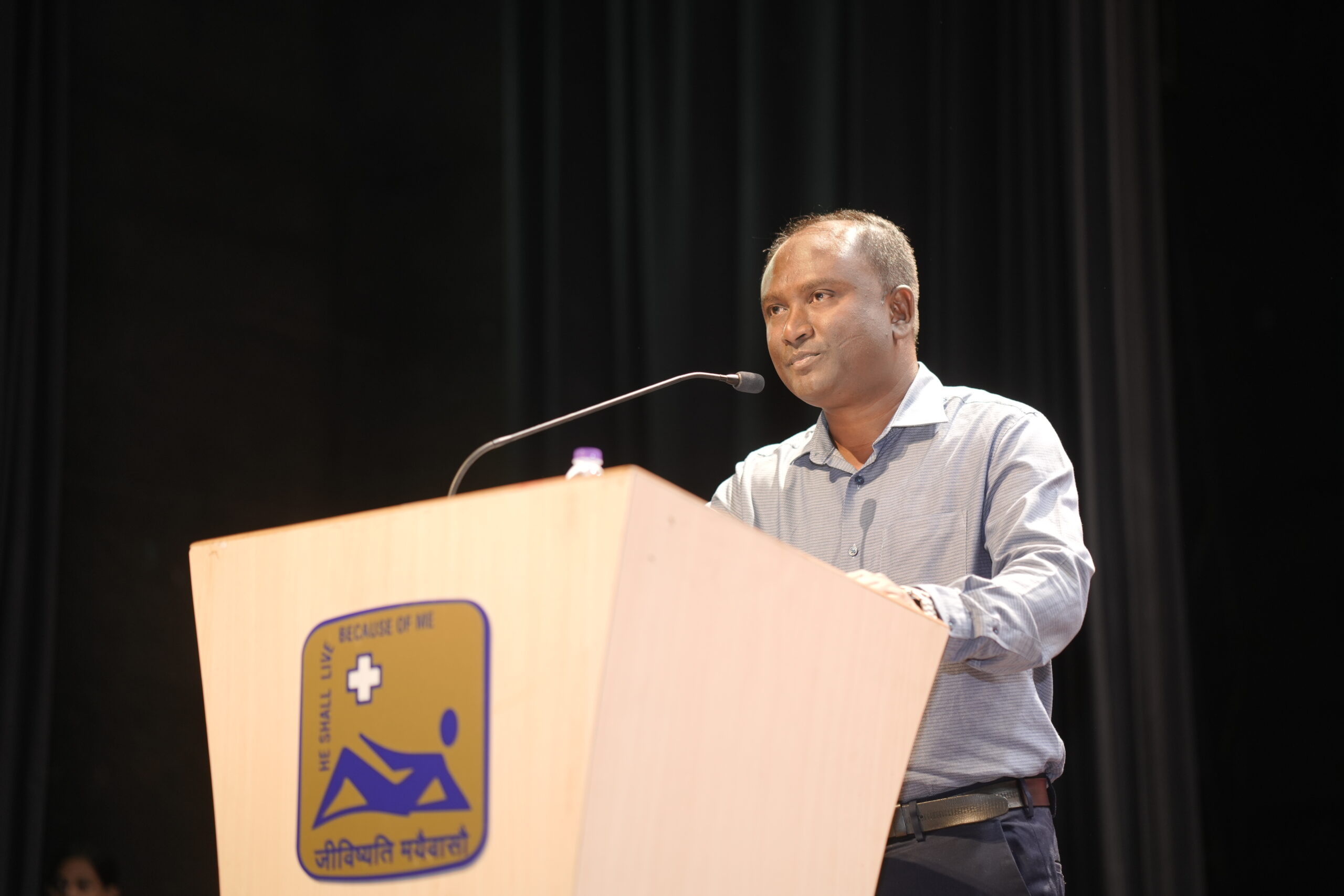
Towards the conclusion of his greetings, Rev. Christopher reflected on the church’s commemoration of the 1700th anniversary of the First Ecumenical Council at Nicaea, a defining moment in Christian history from which the Nicene Creed emerged. He noted that many of the bishops and church leaders who participated in the Council bore wounds or disabilities, reminding participants that disability has been interwoven into the very history and shaping of the Church.
The Chair of the networking session, Mr. Christopher Baskeran, invited the region-wise hubs to share their plans for the upcoming months. The conference concluded with these regional plans for future engagement.
In his closing remarks, the Chair, Mr. George Abraham reflected that these conferences function like an “operation air force,” where participants are refreshed, strengthened, and energised. He noted that at the national conference, existing hubs are rejuvenated and new hubs are inspired—reminding the gathering that the emergence of new hubs is an important outcome of national conferences. He emphasised that it is our collective responsibility to build networks that enable coordinated action toward making faith communities inclusive and accessible. He added that persistent follow-up with faith leaders is essential. Referencing Dr. Sara Varghese’s network evaluation findings from the previous day, he underscored the importance of sustainability in carrying this movement forward. He reminded participants that Engage Disability (ED) is not an organisation but a movement and a network. He stressed the need for more young persons with disabilities to come forward, take initiative, and claim their space in the life of the faith community.
The National Coordinator, Ms Jessica Richard, expressed gratitude to all who contributed to making the national conference a reality: Fr. Jesudoss, Director of St. John’s Medical College, whose support made the venue available, and Dr. Binu Kurian, the primary point person at St. John’s, along with Dr Deepthi Shanbag, responsible for coordinating all arrangements. She also thanked the CSI Karnataka Central Diocese (KCD) for their generous support and contribution. She acknowledged the heads and coordinators of various departments at St. John’s Medical College, who rearranged their schedules and enabled their students to serve as volunteers. She then read out the names of the Local Organising Committee, drawn from the Bangalore hub recognizing them as the backbone of the conference. Jessica also conveyed gratitude to the Rt. Rev Vincent Vinod Kumar, Bishop of CSI KCD and the Most Rev Peter Machado, Archbishop of Bangalore Archdiocese for their support, as well as to the Hyderabad Hub team, who facilitated a generous contribution towards the conference. She extended appreciation to all session chairs and speakers, the Indian Sign Language (ISL) interpretation team, the Inclusive Music team from both Bangalore and Hyderabad, and the children from City Harvest Church and CSI Aparna Special School who added colour to the event. She acknowledged the anchors for the three days Ms. Fairlene Soji and Ms. Alka Mohan for their diligent and efficient compering.
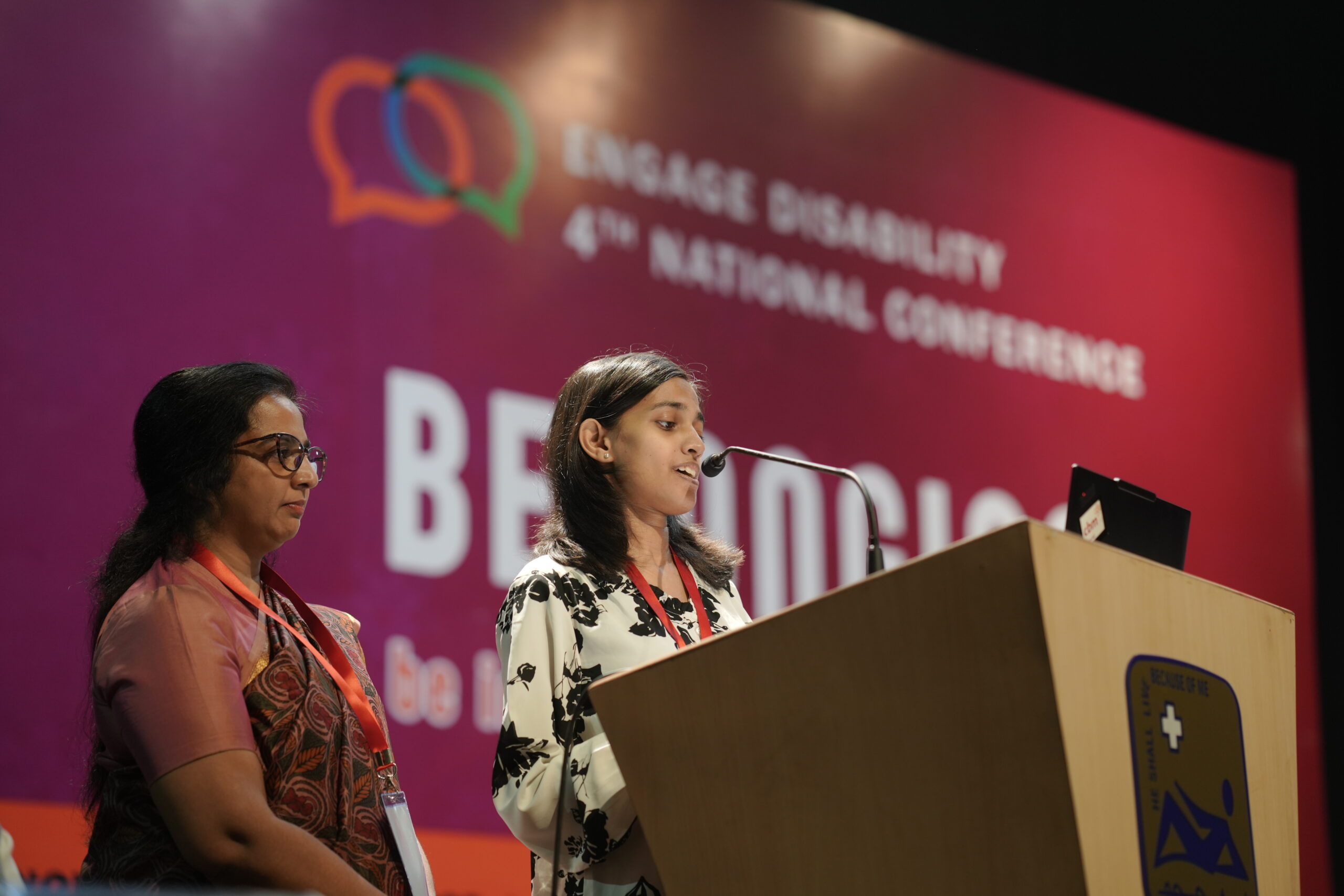
She acknowledged the Conference Programme Committee for meticulously planning and coordinating all speakers and session topics for a meaningful time of learning in the conference. Jessica then recognized the ED team of, Ms. Elizabeth Giri, the Training Facilitator, and Mr. Jacob Prakash, the Conference Coordinator, both of whom functioned as the fulcrum for the smooth running of the conference alongside Ms. Jubin Varghese, the Vice Chair of the ED movement. She concluded by appreciating the dedicated team of volunteers from St. John’s Medical College, who were organized into multiple teams for: registration, food, breakout sessions, kits and lobby management, stage arrangements, transport, help desk, accompaniment to participants with disabilities, and documentation.
Engage Disability also recognised the presence, contribution, and support received from Tamilnad Christian Council, the host of ED, especially in the person of Dr. Esther Kathiroli, Secretary of TNCC, who, along with the Chair of ED, distributed the certificates of appreciation to the volunteers.
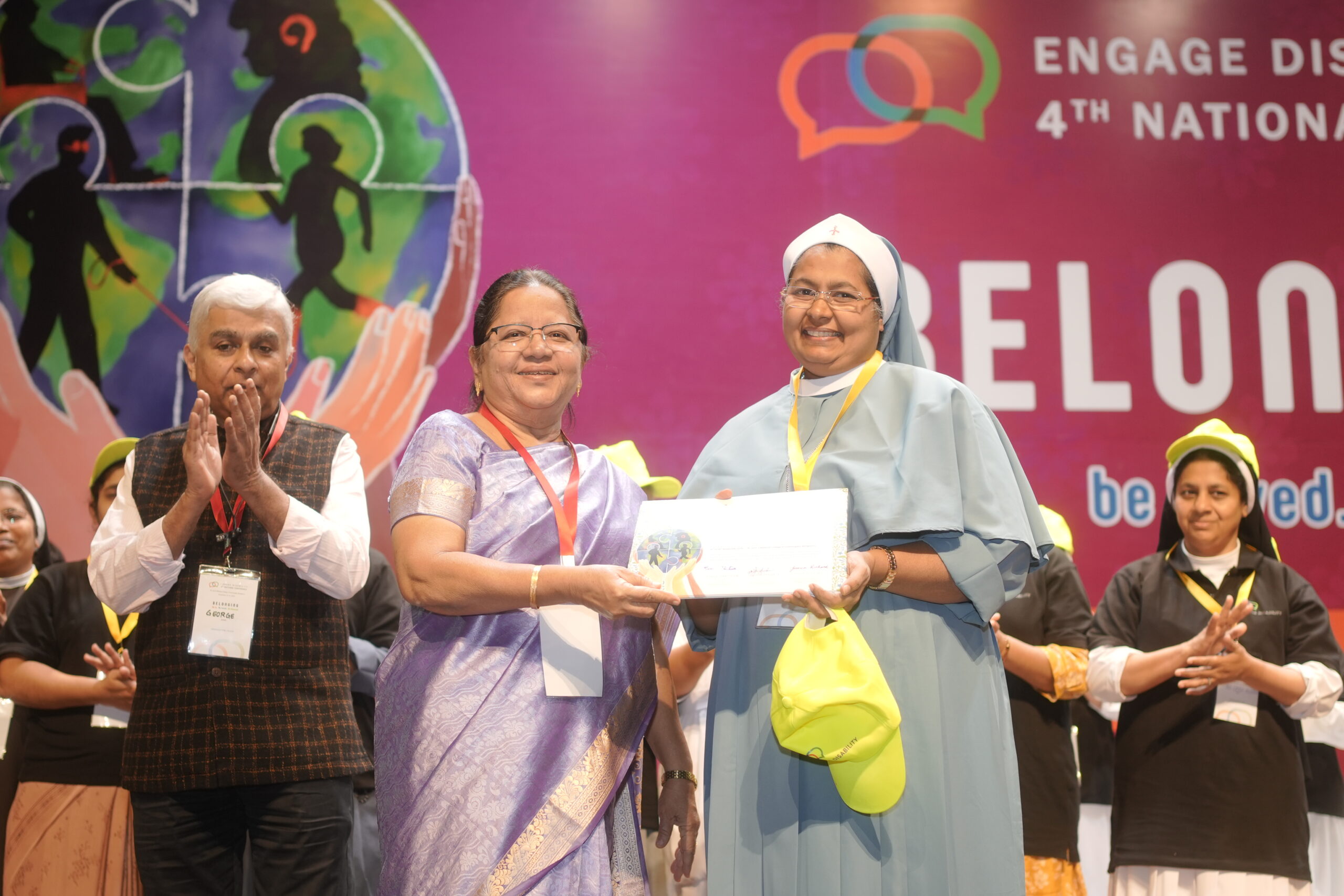
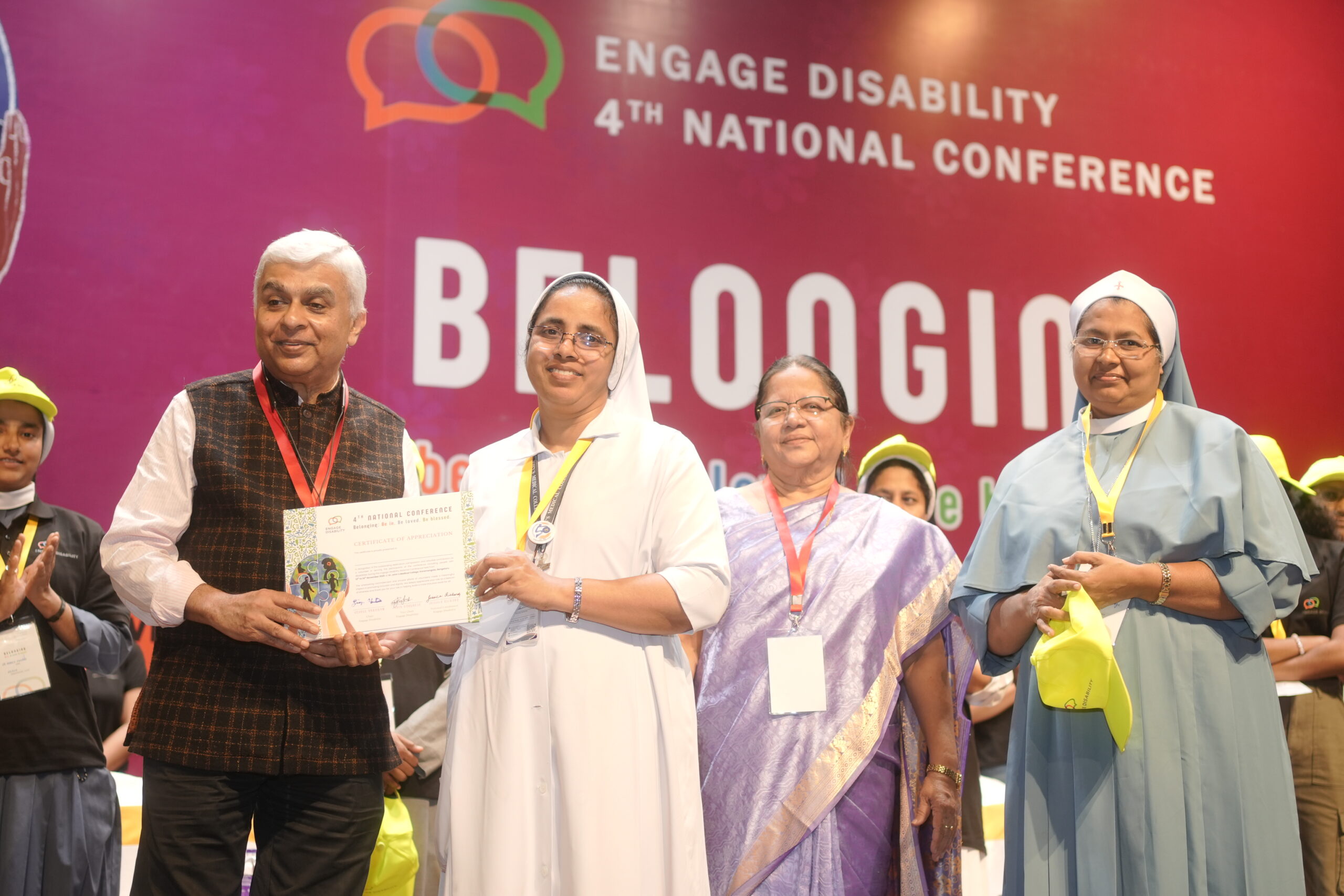
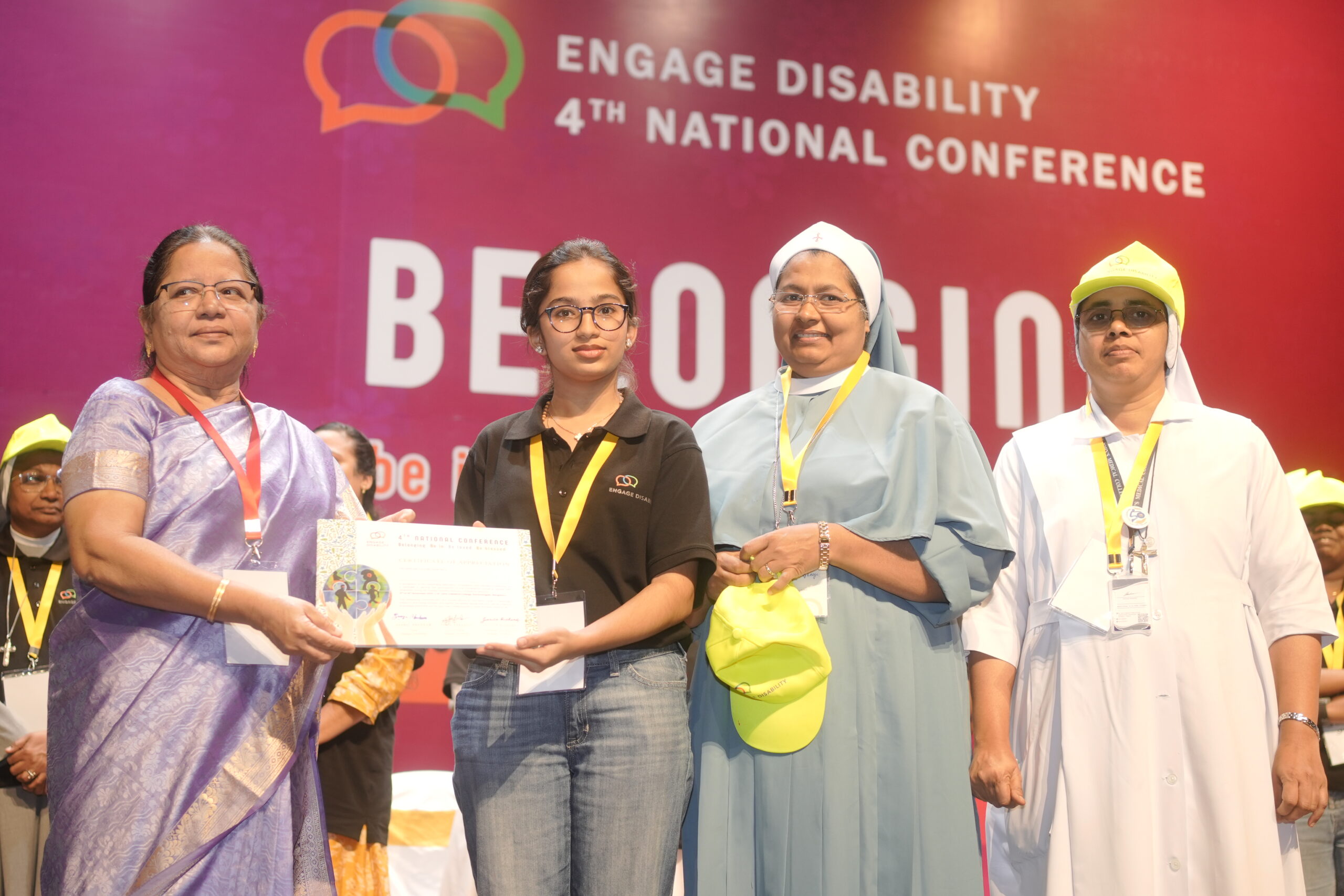
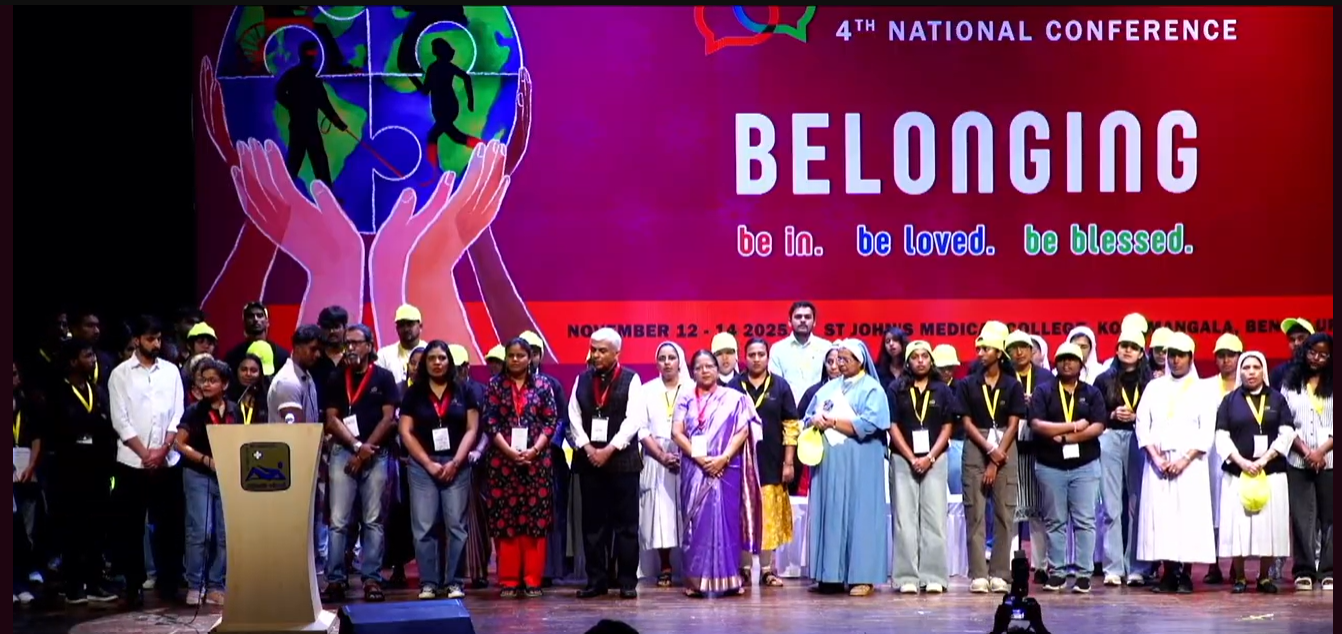
The EDNC25 wound up with a group photograph of the entire team that made the conference possible, and a meaningful closing moment of prayer led in sign language by Father Joseph Thermadom—one of the first priests with a disability in India.
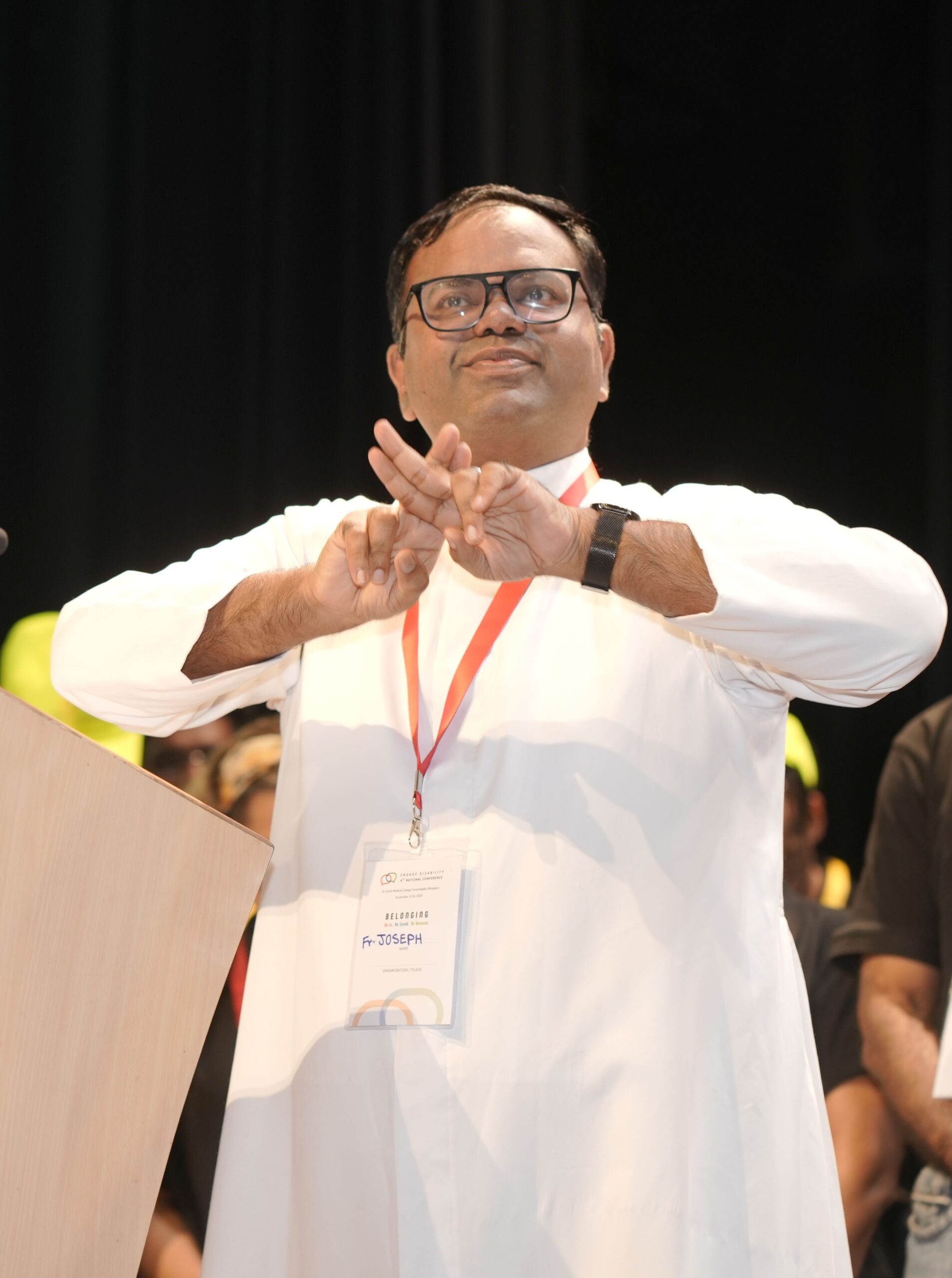
The gathering ended with participants singing “Give Thanks” sung a cappella, marking a heartfelt and hopeful close to three days of learning, reflection, and renewed commitment.
With a total of 400 people including participants, speakers, volunteers, and service providers, the 4th National Conference was indeed a testament to the immense grace of God, a celebration of the resilience and value of people with disabilities, and a space that modelled “belonging” as a reflection of the kingdom of God here on earth. The handprint of commitments to carrying forward the vision of disability inclusion in faith spaces on day 3 was a colourful and hopeful sign of things to come.
– Highlights Report of EDNC2025,
by Sam Thomas Rathnaraj B,
Lead, Documentation Team, EDNC2025.
Latest News
EDNC 2025
“Belonging: Be In. Be Loved. Be Blessed” The fourth National... read more...
Digital Violence against Women with Disabilities – 16 Days of Activism 2025
The 16 Days of Activism against Gender-based Violence is observed annually from... read more...
Disability Inclusion Workshop, Bhubaneshwar
A Workshop on Disability Inclusion in Bhubaneshwar took place with... read more...